What are the installation steps for an outdoor LED display screen? The specific installation steps and process for an outdoor LED display screen are as follows:
Step 1: Fabricating, building, and securing the "home" of the outdoor LED display screen.
Outdoor LED displays are not installed on the ground; generally, they should have a "home" located at a higher elevation. Currently, the "home" of outdoor LED displays is made of a steel frame, which is the support bracket at the back of the display screen. Since the outdoor LED display screen will be fixed to the bracket for a long time after installation, the bracket must be sturdy and secure.
Step 2: Installing the outdoor LED display screen cabinet.
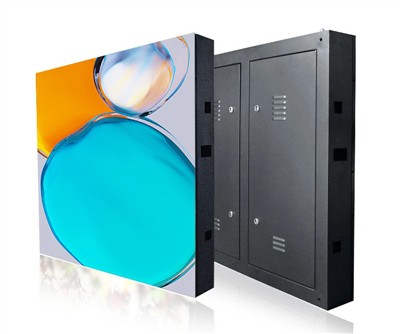
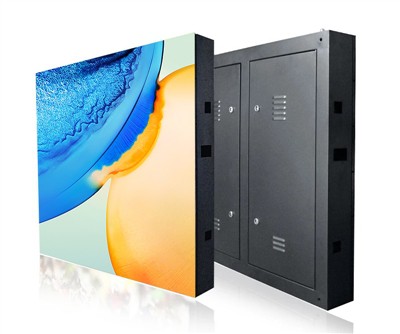
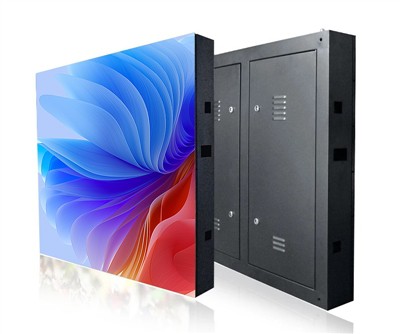
The outdoor LED display screen cabinet is its most important part, or the main body of the outdoor LED display screen. It includes the sheet metal cabinet, unit modules, power supply, power cords, cabling, fixing screws, etc. In short, once the LED display screen cabinet is installed, the outdoor LED display screen installation is complete. This is because, generally, the outdoor LED displays we purchase are pre-assembled and assembled within their cabinets.

Step 3: Powering on and testing the outdoor LED display screen.
After the outdoor LED display cabinet is installed, the next step is to connect the power supply and begin testing. Only after successful testing can the installation of the outdoor LED display be considered complete.
Step Four: Decoration of the Outdoor LED Display.
The installed and tested outdoor LED display is ready to function, but for aesthetic purposes, decoration is essential. After all, a bare steel frame and cabinet are hardly visually appealing.
The decorated outdoor LED display is then ready for use. However, what special considerations should be taken into account during its installation?
What are the precautions for installing an outdoor LED display?
First, the outdoor LED display must be equipped with necessary lightning protection devices. Since outdoor LED displays are installed outdoors, thunderstorms are unavoidable. To ensure its lifespan, lightning protection measures are crucial.
Second, the outdoor LED display must be equipped with necessary waterproofing devices, or in other words, the LED display must undergo special treatment to achieve waterproof performance. Rain is the most common threat to outdoor LED displays. To ensure normal operation and extend their lifespan, waterproofing is essential. Therefore, necessary waterproofing measures are required during installation, and it's best to include ventilation and moisture-proof devices or measures.
Additionally, outdoor LED displays should ideally use ultra-high brightness LEDs. Because outdoor LED screens are primarily used for commercial advertising, they are mostly installed in wide-open, unobstructed areas, often exposed to direct sunlight. To ensure long-distance visibility even under strong sunlight, using ultra-high brightness LEDs is the best choice.
In general, LED screens are widely used in the outdoor advertising industry and play a vital role. Although some problems may arise during installation, there are good solutions. These minor flaws do not detract from the overall quality; the quality and installation methods of various LED screens are generally reliable.