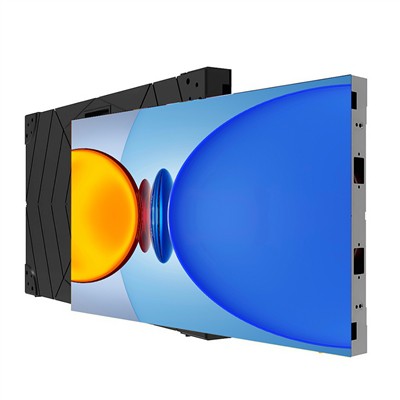
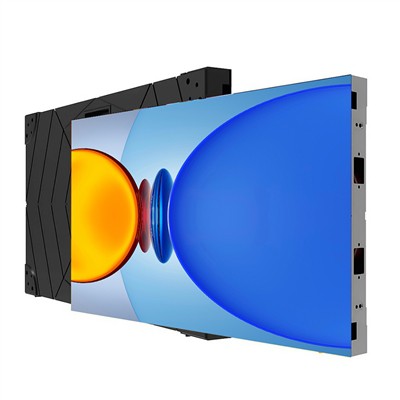
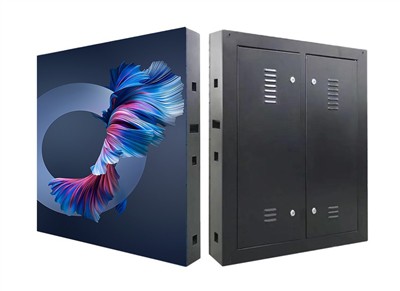
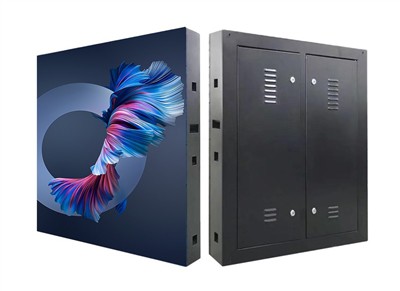
The main roles of LED display cabinets in LED display screen construction are fixation, protection, and improved operational stability, specifically as follows:
Fixation Role
Fixing Components: The LED display cabinet secures all components of the display screen, such as unit boards and power supplies, within its interior. This fixation method makes the connection of the entire display screen more convenient and simple, allowing the various components to be assembled in an orderly manner to form a complete display system, facilitating installation, debugging, and maintenance.
Fixing the Frame Structure: The cabinet fixes the entire frame structure of the display screen, making the screen more convenient and stable during placement or installation. Whether indoors or outdoors, a stable frame structure ensures that the display screen will not easily shake or shift due to external factors (such as minor impacts, wind, etc.), guaranteeing the stability and reliability of the display effect.
Protection Role
Protection from External Environmental Influences: The cabinet protects the components inside from the influence of the external environment, making them less prone to damage. For example, in outdoor environments, the display screen may face various harsh weather conditions, such as rain, dust, high temperatures, and low temperatures. The cabinet provides a relatively enclosed and stable space for the components, reducing the damage caused by external factors.
Waterproof Design: The front of the LED display cabinet is sealed with imported adhesive, and the back is designed with waterproof grooves to effectively prevent rainwater from entering the cabinet and damaging components. This is especially important for outdoor LED displays, as rainwater can cause short circuits and component corrosion, affecting the normal operation of the display.
Moisture-proof and Anti-oxidation: The back of the dot matrix is sealed with imported resin, and the dot matrix is soldered with anti-oxidation solder paste using wave soldering. A green oil-based oxygen barrier layer is also applied to the circuit board. These measures provide moisture and oxidation protection, preventing component performance degradation or damage due to moisture or oxidation, and extending component lifespan.
Corrosion and Oxidation Resistance: LED display cabinets generally undergo rigorous anti-oxidation treatment to effectively prevent corrosion and oxidation. In industrial environments or coastal areas with high levels of corrosive substances in the air, the anti-oxidation treatment of the cabinet protects components from corrosion, ensuring the display can operate normally in harsh environments.
Lightning Protection: LED display cabinets are generally equipped with lightning protection devices to prevent damage to the display from induced voltages or lightning strikes. Lightning strikes can generate powerful currents and voltages. Without effective lightning protection, this can damage the components of the display screen and even cause safety accidents.
Improving Operational Stability
Ensuring Operation in Harsh Environments: Through the aforementioned fixing and protection mechanisms, the LED display screen cabinet effectively protects the components from damage, allowing the screen to operate normally in harsh environments. Whether in high or low temperatures, humidity, or dusty conditions, the cabinet provides necessary protection, ensuring that the display effect and performance remain unaffected.
Extending Lifespan: The cabinet's protection of components reduces the frequency of damage and replacement, thereby extending the overall lifespan of the LED display screen. This not only reduces operating costs but also minimizes the inconvenience and losses caused by display screen malfunctions.