The refresh rate of LED transparent screen is an important indicator to measure picture stability and visual effect, measured in Hz (Hz), the higher the value, the more stable the picture, and the better the visual experience. The following is explained from four aspects: basic concepts, discrimination methods, influencing factors and selection suggestions:
1. The basic concept of refresh rate
The refresh rate of LED transparent screen is consistent with the principle of mobile phone screen refresh rate, which refers to the number of times the screen refreshes the screen per second. For example, a 1920Hz refresh rate means that the screen refreshes 1920 times per second. A high refresh rate reduces flickering and makes dynamic content (e.g., video, animation) appear smoother, especially in fast-moving scenes.
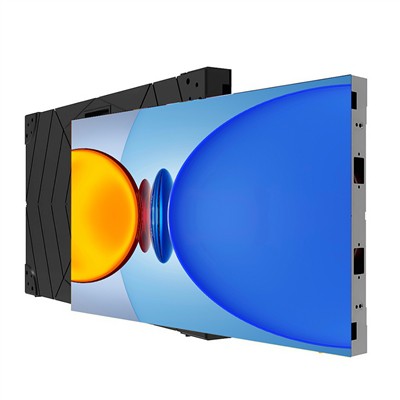
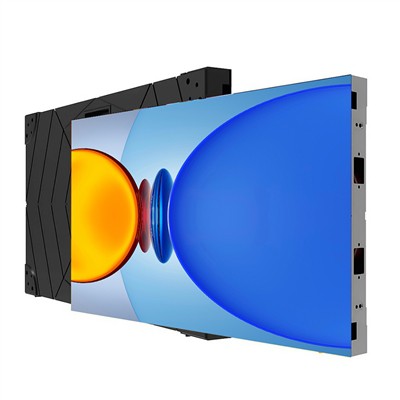
Figure: The dynamic picture effect of LED transparent screen in commercial display 2. Distinguishing method between high brush and general brush
Water ripple phenomenon: When using a mobile phone or high-definition camera device to shoot the screen, if the screen appears with water ripple-like stripes, it means that the screen is a normal brush (refresh rate is less than 960Hz); This is not the case with high-refresh screens (such as 3840Hz).
Principle: The refresh rate of the screen is not synchronized with the shutter speed of the camera, resulting in incomplete picture sampling and interference streaks during shooting. The high refresh rate of the screen is much higher than the camera sampling rate, which avoids such problems.
Human eye perception threshold: When the refresh rate exceeds 960Hz, it is difficult for the human eye to distinguish the flickering of the picture, but the shooting device may still pick up the difference. Therefore, the advantages of high-refresh screens are more obvious in photography, live broadcast and other scenarios.
3. Key factors affecting the refresh rate
The refresh rate is not an independent parameter, its value is limited by the hardware configuration, mainly involving the following components:
Driver chip: The driver chip is the core component that controls screen refresh, and its performance directly determines the upper limit of the refresh rate. The high-end driver chip supports higher-frequency signal processing and can achieve a refresh rate of 3840Hz or even higher.
Power Stability: High refresh rates require a more stable current supply, and the power module needs to have fast response capabilities to avoid screen shake or flickering due to voltage fluctuations.
Lamp bead quality: The response speed of the lamp bead affects the picture refresh effect. High-quality lamp beads can quickly switch between bright and off states, reducing afterglow time to support higher refresh rates.
PCB Board Design: The circuit board layout needs to optimize the signal transmission path to reduce impedance and interference to ensure that high-frequency signals are fully transmitted to the lamp beads.
4. Suggestions for the selection of refresh rate
The selection of LED transparent screen refresh rate needs to be combined with the usage scenario and needs:
Conventional Scene (1920Hz): Suitable for daily applications such as shopping mall displays and stage backgrounds, 1920Hz can meet the visual needs of the human eye, balancing cost and performance.
Photography/live broadcast scene (3840Hz): If the screen needs to be shot in front of the camera (such as product launches, TV program recording), it is recommended to choose a 3840Hz high refresh screen to avoid water ripple interference and improve the professionalism of the picture.
Extreme demand (higher refresh rate): Some special scenarios (such as high-speed motion capture, VR/AR interaction) may require higher refresh rates, but hardware costs need to be weighed against actual benefits.