LED displays have become the primary driver of digital signage development, primarily due to five core advantages: technological breakthroughs, expanded application scenarios, improved display effects, structural innovation, and optimized solutions. The following is a detailed analysis:
Technological Breakthroughs: Small Pitch and High Integration Lead Industry Innovation
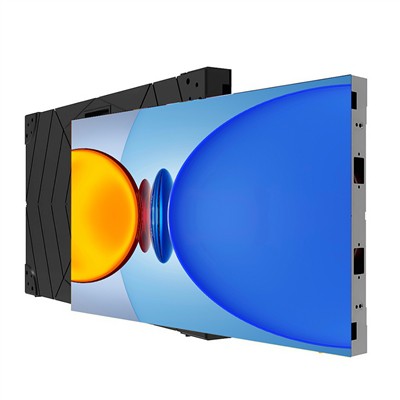
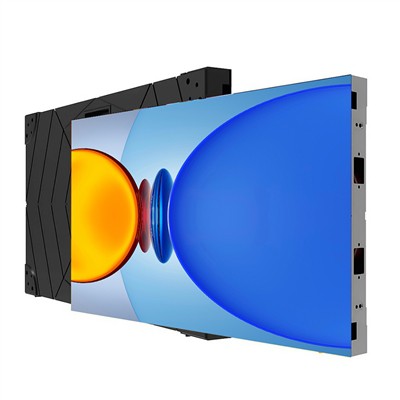
Small-pitch LED technology is one of the key technologies driving the development of digital signage. At the 2018 Shanghai Digital Signage Exhibition, many manufacturers showcased products with continuously decreasing pixel pitch, such as Samsung's IF series P1.5 specification products, which significantly improve pixel density and achieve image detail approaching the limits of traditional display devices.
The mature application of System-on-Chip (COB) architecture has further improved the integration of LED displays. COB technology directly packages components such as driver ICs and capacitors onto the PCB board, reducing connection losses between components and improving stability and reliability. This technology enables breakthroughs in the thinning and energy efficiency of LED displays, providing possibilities for diversified digital signage designs.
Expanded Application Scenarios: Full Coverage from Indoor to Outdoor
The adaptability of LED displays makes them the core carrier for the expansion of digital signage scenarios.
Indoor Scenarios: Small-pitch LED products, with their high brightness and high contrast, overcome the limitations of traditional display devices in bright light environments. For example, Samsung's IF series boasts a peak brightness of 1600 nits and a contrast ratio of 10000:1, maintaining color accuracy even in low-light environments such as art galleries and shopping malls. Its dynamic peaking technology automatically adjusts brightness according to content, avoiding glare and meeting the stringent image quality requirements of scenarios like conference rooms and cinemas.
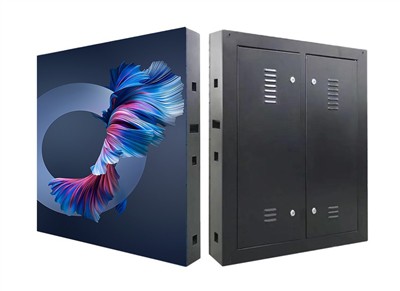
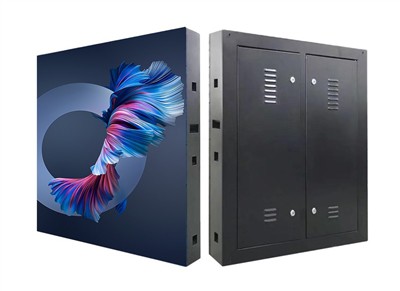
Outdoor Scenarios: The waterproof, dustproof, and high-temperature resistant properties of LED displays make them the preferred choice for outdoor digital signage. For example, 3D indoor LED systems, through modular design, can be integrated into any cubic structure to create a waterfall-style dynamic display, widely used in retail stores, corporate lobbies, trade exhibitions, and other scenarios. Their height-adjustable floor-standing display racks can even support the weight of an SUV, meeting the flexible needs of the rental market.
Enhanced Display Effects: The Fusion of High Image Quality and Creative Design
LED displays have achieved breakthroughs in both image quality optimization and creative design.
Image Quality Optimization: The Samsung IF series employs HDR integrated color control and low grayscale calibration technology. Through customized algorithms, it analyzes the grayscale and brightness levels of content scenes to avoid overexposure or underexposure. Its grayscale management algorithm accurately renders red, green, and blue tones even at low brightness settings, solving the problem of wide color gamut color distortion and being compatible with sRGB, AdobeRGB, and other color gamut standards to meet the display needs of different environments.
Creative Design: The modular nature of LED displays supports irregular splicing, such as curved surfaces, cylinders, spheres, and other complex structures, providing endless possibilities for the creative design of digital signage. For example, a brand showcased a three-dimensional LED cube system that created a waterfall effect by arranging modules of different heights, becoming an eye-catching focal point.
Structural Innovation: Balancing Reliability and Expandability
The structural design of LED displays directly determines their application flexibility.
Modular Design: The Samsung IF series uses magnetically attached modules, supporting full front and rear maintenance. The flatness of connection points can be adjusted in 0.1mm increments, solving the problem of bright or dark lines at the splicing seams. LSM management software further ensures screen uniformity through edge LED brightness compensation technology. Compact and Lightweight: The IF series chassis features a compact design, supporting full front maintenance and reducing installation space requirements. Its energy-efficient temperature and ventilation management system ensures continuous and stable operation in high-temperature environments, extending its service life.
Optimized Solutions: Hardware and Software Synergy Enhances User Experience
The widespread adoption of LED displays relies heavily on supporting solutions.
Signal Transmission and Content Management: Samsung's LED Signage Box (S-Box) supports single UHD content source transmission to multiple screens without the need for splitters or external devices, reducing deployment costs. The MagicInfo content platform simplifies cross-device content creation, arrangement, and deployment processes, supporting remote monitoring and fault diagnosis.
Energy Efficiency Management: The IF series employs an advanced thermal design, reducing energy consumption while improving performance stability. For example, its Dynamic Peak Technology intelligently adjusts brightness, reducing energy consumption while maintaining image quality, aligning with green display trends.
Summary: With its five major advantages-technological breakthroughs, scenario expansion, image quality improvement, structural innovation, and optimized solutions-LED displays have become the core driving force for the development of the digital signage industry. Its modularity, high image quality, and low energy consumption not only meet the needs of traditional commercial displays, but also expand the application boundaries of digital signage through creative design, driving the industry towards intelligence and personalization.