During the rainy season and the humid season, LED displays need to take targeted waterproof and moisture-proof measures for different indoor and outdoor environments to avoid short circuits, oxidation corrosion, and other malfunctions. Specific protection methods are as follows:
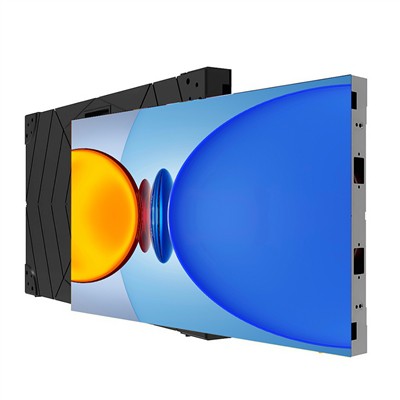
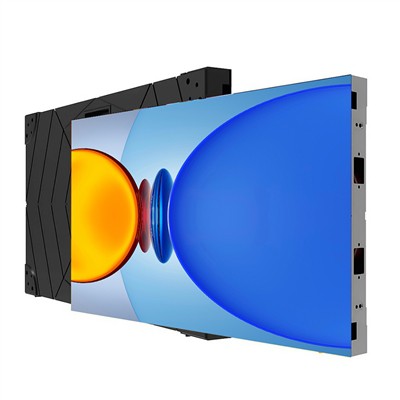
Indoor LED Display Protection Measures
Moderate Ventilation: In dry weather or with some wind, moderate ventilation can accelerate the evaporation of water vapor adhering to the display screen, reducing the relative humidity of the indoor environment. However, in windless and humid weather, ventilation should be avoided to prevent external moisture from entering the room and increasing humidity.
Use Desiccants or Air Conditioning for Dehumidification:** Placing desiccants indoors reduces the moisture in the air through physical absorption. If the space where the display screen is located has an air conditioner, the dehumidification function can be turned on in humid weather to effectively reduce indoor humidity.
Frequent Power-On Use: Regularly powering on the LED display screen will generate heat during operation, which can evaporate some water vapor, greatly reducing the possibility of short circuits caused by excessive humidity.
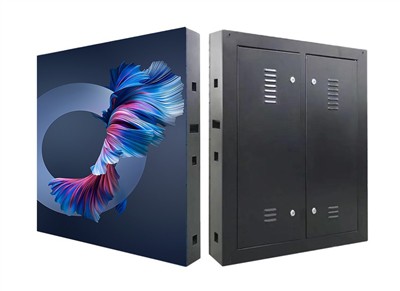
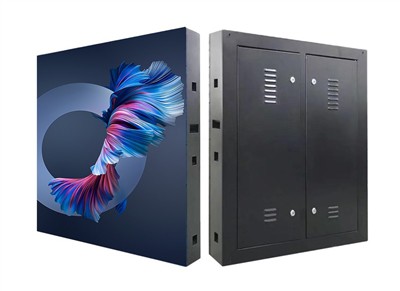
Outdoor LED Display Protection Measures:
Ensure Proper Sealing Installation:** The outdoor environment is complex, and proper sealing installation is key to reducing the risk of water ingress into the display screen. During installation, strictly follow the specifications to ensure proper sealing between all components of the display screen and prevent rainwater ingress.
Regular dust removal: Regularly cleaning dust adhering to the inside and outside of the display screen helps with heat dissipation. Reducing dust accumulation also decreases the adhesion of water vapor to the screen surface, thus lowering the risk of moisture damage.
Component anti-corrosion treatment: Due to high humidity, components such as the PCB board, power supply, and power cord of outdoor LED displays are prone to oxidation and corrosion, causing malfunctions. Therefore, during LED display manufacturing, the PCB board must undergo anti-corrosion treatment, such as applying a conformal coating; high-quality components should be selected for the power supply and power cord; and special care should be taken to protect soldered parts and frames that are prone to rust.
Frequent power-on use: Similar to indoor displays, outdoor displays should be frequently powered on. The heat generated during operation evaporates water vapor, reducing the risk of short circuits and minimizing the impact of humid weather on the display screen.