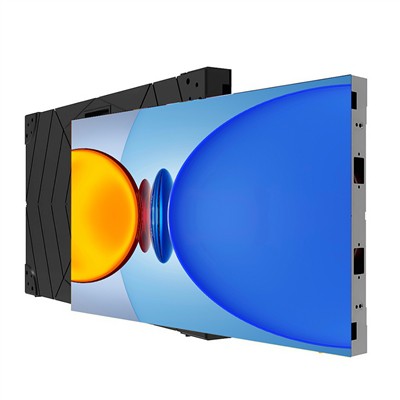
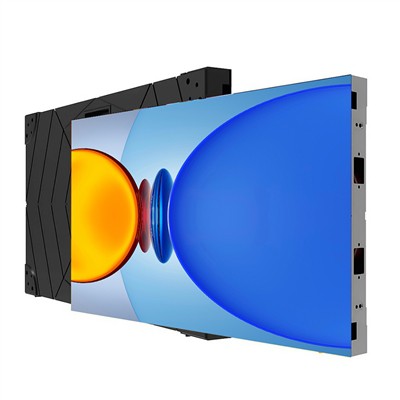
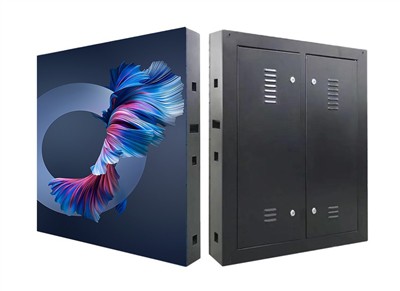
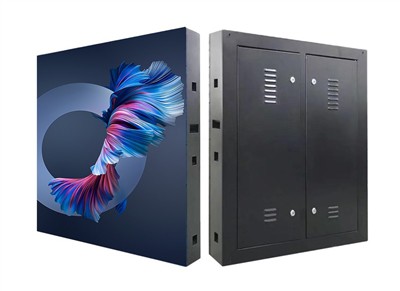
An immersive LED display is a multi-faceted display device that creates an immersive spatial experience, also known as an LED dream cube. It combines surround visuals with interactive effects to provide users with a truly immersive experience. The following section introduces it from the aspects of definition, application scenarios, interactive technology, structural optimization, and case studies:
Definition and Features: Immersive LED displays were initially introduced by Dayuan Intelligent. They construct display spaces through multi-faceted structures (such as cubes or irregularly shaped spaces), breaking through the limitations of traditional flat displays. Its core features include:
Visual Immersion: Through a surround screen design, it covers the user's field of vision, creating an immersive scene (such as natural scenery or science fiction spaces).
Dynamic and Static Integration: Based on static images, it integrates interactive technology to achieve dynamic interaction between users and the screen content.
Technological Iteration: Early projects required isolating visitors from the screen, resulting in interaction delays and image fragmentation. Now, by combining LED floor tile screens (displayed at the bottom) with a surrounding immersive structure, the display continuity and interactive response speed have been optimized.
Application scenarios primarily serve public spaces requiring a strong experiential element, including:
Cultural Display: Exhibition halls and science museums showcase local tourism culture, historical stories, or scientific knowledge, enhancing audience recall through immersive scenarios.
Commercial Experience: Cultural tourism projects and experience centers simulate natural landscapes (such as oceans and forests) or futuristic scenarios to increase user engagement.
Educational Transmission: Schools or training institutions utilize interactive functions to design teaching scenarios, such as demonstrating physical phenomena through physical interaction.
Interactive Technology Forms and Effects: Interactive effects are achieved through various sensors, primarily including:
Radar Interaction: Utilizing radar waves to detect user position and trigger changes in screen content (e.g., displaying detailed information when the user is near the screen).
Gravity Sensing: Sensing user movements through floor tile screens or tilting devices to achieve dynamic feedback (e.g., ripple effects caused by stepping on floor tiles).
Infrared Sensing: Infrared cameras capture user body movements to control screen characters or elements (e.g., waving to switch scenes).
Body Interaction: Combining AI algorithms to recognize user gestures or full-body movements to achieve high-precision interaction (e.g., virtual try-on, game control).
Structural Optimization and Enhanced Display Effects: Traditional LED polyhedron projects, due to safety requirements, necessitate the installation of isolation strips between visitors and the screens, resulting in:
Interaction Delay: A time lag exists between sensor and screen response.
Visual Discontinuity: The isolation strips disrupt visual continuity. Current Solution:
LED Floor Tile Screen: Serving as the bottom display layer, directly supporting user interactions (such as walking and jumping), while seamlessly integrating with the content on the surrounding screens.
Immersive Structure: Utilizing lightweight, high-transmittance materials to construct the surrounding screens reduces physical barriers and enhances the sense of spatial openness.
Synchronous Calibration Technology: Unifying the color, brightness, and response speed of multiple screens through software algorithms ensures image consistency.
Typical Cases and Industry Recognition: Dayuan Intelligent's immersive space projects completed in 2020 have received high praise from users. Its advantages include:
Experience: Long-term focus on immersive display technology R&D, familiar with the needs of different scenarios.
Mature Technology: A complete solution from hardware design to software algorithms, reducing project risks.
Case Study: Demonstrating display effects and interactive functions through real-world projects helps clients intuitively assess the feasibility of their solutions.
Summary: Immersive LED displays redefine the spatial display experience through their multi-faceted structure, surround visuals, and diverse interactive technologies. Their applications cover fields such as culture, commerce, and education, and structural optimization solves the problems of interactive delays and image fragmentation inherent in traditional solutions. Choosing established manufacturers like Dayuan Intelligent allows for more efficient implementation of immersive projects based on their case studies and technical support.