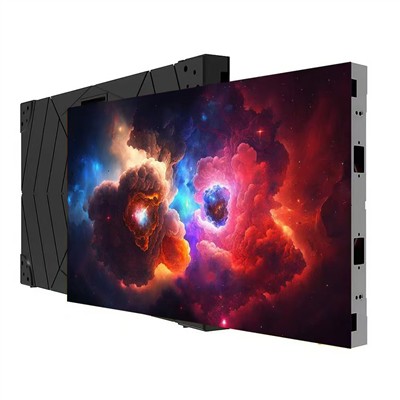
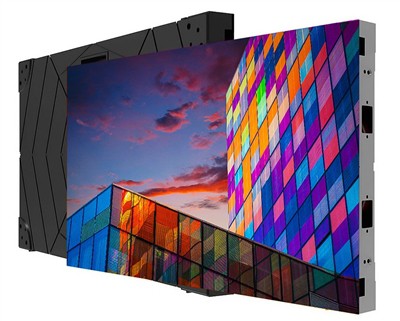
When choosing a display for digital signage, industrial equipment, or daily use, many people wonder about the differences in backlight technologies and how they affect real-world performance. LED display screens have become the clear choice in modern applications, delivering noticeable improvements in brightness, energy efficiency, and image quality compared to older solutions.
LED display screens use an array of small LED light sources to illuminate the liquid crystal layer. This design provides higher brightness, better contrast ratios, and more uniform color distribution than traditional cold cathode fluorescent lamp backlights. In practice, LED backlighting consumes significantly less power and offers a much longer operational lifespan, making it more reliable and economical over time. The result is vivid, consistent visuals that perform well even in challenging lighting environments.
Supporting the LED backlight is the timing control board, known as the TCON board. This critical component converts video signals from the main board into precise instructions for the panel's gate and source drivers. It carefully manages multiple voltage levels required for smooth pixel operation, including digital logic voltages, gate activation voltages, and common electrode voltage. A quality TCON board helps eliminate common display issues such as flickering or uneven brightness, which is particularly valuable for LED display screens used in control rooms, retail environments, or 24/7 operations.
Another important part of the system is the backlight driver system, often called the DBS. This circuitry delivers stable constant current to the LED array and supports pulse-width modulation for smooth and accurate brightness control. It also includes built-in protections against over-current and over-voltage conditions. For medium-sized LED display screens between 10 and 32 inches, commonly found in industrial monitors, medical equipment, or vehicle systems, the DBS works closely with the main control board and TCON to maintain consistent illumination. Some versions even integrate light sensors for automatic brightness adjustment based on ambient conditions.
Panel technology also plays a major role in the final viewing experience. In-plane switching (IPS) panels paired with LED backlighting maintain excellent color accuracy and contrast even when viewed from wide angles. This makes them especially suitable for collaborative spaces, public information displays, or multi-viewer scenarios. Traditional LCD panels remain a cost-effective option for single-user applications and offer good energy efficiency, though they may show slight color shifts at extreme angles. When compared to self-emissive OLED technology, LED-backlit LCD screens often provide better durability and lower long-term costs for larger formats and high-usage environments.
To get the best results with LED display screens, several practical points deserve attention. Selecting true LED backlighting instead of older fluorescent options ensures lower power consumption and longer service life. Verifying that the TCON board and DBS driver are properly matched to the panel helps prevent signal-related problems after installation. For applications involving wide viewing angles, choosing IPS-based panels avoids disappointing color shifts. Additionally, confirming full compatibility between the main scaler board and the panel drivers reduces integration challenges during setup.
In summary, LED display screens combine efficient LED backlighting, precise TCON control, and reliable DBS driver systems to deliver outstanding visual performance with reduced operating costs. This technology supports dependable use across consumer electronics, industrial equipment, and commercial signage, where consistent quality and efficiency matter most. For professional display solutions built on these proven foundations, exploring advanced LED display screen options can help meet specific project requirements with confidence.
 English
- English
- Français
- Deutsch
- 日本語
- Italiano
- Español
- Português
- русский
- Türkçe
- Kreyòl Ayisyen
- slovenščina
- Srbija jezik (latinica)
- اردو
- Gaeilgenah Éireann
- Latviešu
- Lietuvių
- Čeština
- Malti
- hrvatski
- Polski
- Svenska
- magyar
- O'zbek
- Norsk
- Ελληνικά
- عربي
- slovenčina
- Català
- हिंदी
- ไทย
- suomi
- 한국어
- bosanski
- Bai Miaowen
- فارسی
- Indonesia
- עברית
- Eesti
- Cymraeg
- România limbi
- Български
- Nederlands
- Việt Nam
- українська
- Melayu
- dansk
- বাংলা
- íslenska