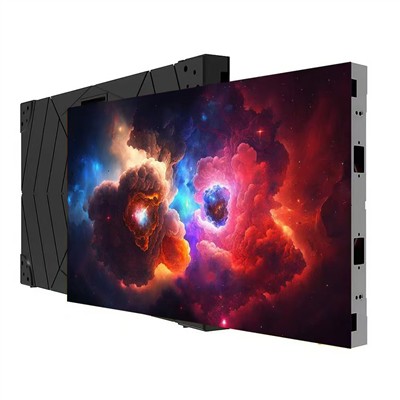
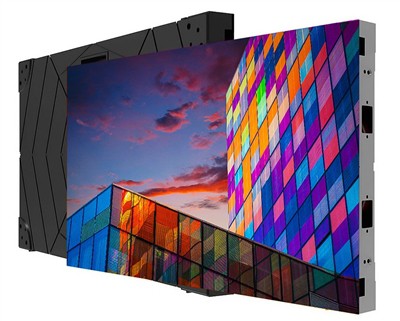
Plenty of buyers hit the same snag when shopping for LED screens - the display looks amazing in photos but turns pixelated or blurry once installed, especially when people stand closer than expected. Pixel pitch sits at the heart of this issue, quietly deciding how sharp, immersive, and practical any LED video wall actually becomes in daily use.
Pixel pitch measures the center-to-center distance between individual LED clusters on the screen, expressed in millimeters. A label like P2.5 simply means 2.5 mm separates one pixel from the next. Smaller numbers pack more pixels into the same physical area, delivering higher resolution and smoother images. Larger pitches spread pixels farther apart, which works fine from a distance but reveals individual dots up close.
In practice, this single spec shapes everything from image quality to total project cost. Fine-pitch options below 2.5 mm create crisp details ideal for close viewing in control rooms, retail stores, or conference halls. They handle text, graphics, and video with excellent clarity, often supporting 4K-level resolution on relatively compact walls. Move to medium pitches around 3–5 mm and the balance shifts toward larger venues like auditoriums or indoor events, where viewers sit several meters away. Coarse pitches of 6 mm and above suit outdoor billboards, stadiums, or highway signage, prioritizing brightness and visibility over ultra-fine detail.
A useful rule of thumb ties pitch directly to viewing distance: multiply the pitch value (in mm) by roughly 1.5 to 3 to estimate the optimal minimum distance in meters. For example, a P2.5 screen shines from about 4–7.5 meters onward, while a P1.5 feels comfortable even closer. Actual results vary slightly with screen size, content type, and ambient lighting, but this guideline prevents the common mistake of over-investing in ultra-fine pitch for distant audiences or under-specifying for intimate spaces.
Choosing the right pitch involves clear trade-offs. Smaller pitches demand more LED chips per square meter, which raises manufacturing precision needs and overall expense. They may also draw slightly higher power and require advanced heat management. On the flip side, they minimize visible pixelation and reduce moiré patterns when cameras capture the screen - a big plus for broadcast or live streaming. Larger pitches keep costs down and boost brightness for sunny outdoor conditions, but they limit how near audiences can approach without noticing the grid.
Practical advice from countless installations points to matching pitch with both expected viewer distance and environment. Indoor fine-pitch LED screens (P1.2–P2.5) excel where detail matters and space stays controlled. Outdoor or high-ambient-light setups often perform better with P4–P10, focusing on durability and lumen output rather than extreme density. Always factor in total screen dimensions too - a huge wall with moderate pitch can still deliver impressive resolution, while a small wall with overly fine pitch wastes budget.
Ultimately, pixel pitch determines whether an LED screen delivers seamless visuals or falls short of expectations. Getting this spec right upfront avoids regret later and ensures the display performs reliably across years of operation. As LED technology continues advancing, finer pitches become more accessible, opening fresh possibilities for everything from corporate environments to large-scale digital signage and dynamic event productions.