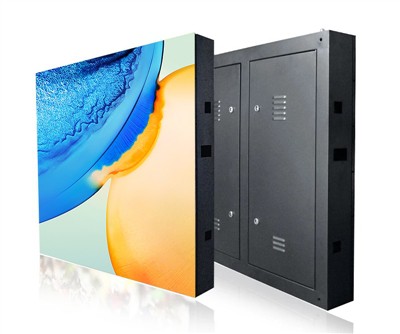
Based on the application environment, LED displays are divided into two types: indoor and outdoor. Indoor displays primarily consist of full-color LED screens. So, what are the main functions of indoor full-color LED displays?
Depending on their purpose, the functions of indoor full-color LED displays mainly include advertising, exhibitions, conferences, command and control, data visualization, and information dissemination.
Function 1: Advertising
Advertising is a common function of indoor full-color LED displays, frequently seen in store advertisements in shopping malls and various other advertising displays. They are primarily used to display a single image on a large screen, achieving a large-screen visual effect. Typically, they are connected to a computer to play a video or display images in full screen.
Function 2: Exhibitions and Displays
This function is mainly used in various exhibition halls to display company products or promotional videos. Some may also display data-driven content. This allows for better intelligent display effects and enhances the visitor experience when clients are present.
Function 3: Conference Display
Indoor conference rooms are also a common application for full-color LED displays. Especially with the development of small-pitch technology, the resolution of LED displays is constantly increasing, significantly improving display clarity. This is an excellent solution for small and medium-sized conference rooms, as indoor full-color LED displays not only guarantee clarity but also have no visible seams, resulting in a better full-screen effect, making them particularly suitable for video conferencing and other display functions.
Function 4: Command, Control, and Monitoring Display
Because indoor full-color LED displays do not have the splicing seams of LCD screens, and with the development of small-pitch technology and improved durability, they can also be used in applications requiring continuous operation, such as large command and control centers or monitoring centers. They can also display multiple monitoring images or videos simultaneously for extended periods.
Function 5: Big Data Display
Currently, as big data is increasingly applied to various fields, real-time data visualization on a large screen has become a mainstream application. LED displays, with their seamless and high-definition features, have quickly become the preferred choice for big data display systems, primarily using small-pitch full-color screens. Function Six: Information Display
Full-color LED displays are also used in locations such as train stations and airports to display train schedules or flight information. These displays are typically full-color, but due to the longer viewing distances, smaller pixel pitches are not used. Common choices include P4 and P5 displays. Their primary function is to display text, with occasional video playback.