Differences between Small-Pitch LED Displays and DLP Seamless Splicing Screens
The main differences between small-pitch LED displays and DLP seamless splicing screens lie in seam treatment, application flexibility, image detail, and application scenarios, as detailed below:
Seam Treatment:
Small-pitch LED Displays: Achieve truly seamless display. With technological advancements, they overcome the obvious seams caused by pitch issues in traditional LED displays, achieving seamless connections during splicing and providing viewers with a continuous and complete visual experience, no longer limited to simply reducing seam size.
DLP Seamless Splicing Screens: Known for their "zero seam," they have firmly established themselves in the high-end application market amidst strong competition from LCD splicing. However, their "zero seam" is more relative to other splicing products under the technological conditions at the time, and still differs somewhat from the truly seamless nature of small-pitch LED displays.
Application Flexibility:
Small-pitch LED Displays: Offer greater application flexibility, allowing for the integration of various advanced technological elements. For example, it can be integrated with touch technology to achieve human-computer interaction, facilitating user operation and interaction; it supports naked-eye 3D effects, bringing users a more impactful and immersive visual experience; and it can adapt to ultra-high-definition display standards such as 4K, meeting the needs of diverse application scenarios with high image quality requirements.
DLP seamless splicing screen: Relatively weaker in application flexibility, mainly focusing on traditional splicing display functions. While it can meet basic display needs, it is not as good as small-pitch LED displays in combining emerging technologies and meeting diverse application needs.
Image Detail
Small-pitch LED display: Currently, it cannot compete with DLP splicing walls in terms of image detail. Due to the physical characteristics of LED beads and pixel pitch, the image may appear grainy when viewed at close range, which may not achieve the desired effect in some scenarios with extremely high requirements for image detail.
DLP seamless splicing screen: Excellent in image detail, capable of presenting clear and detailed images with high color reproduction, suitable for application fields with strict image quality requirements, such as high-end conference rooms and monitoring centers.
Application Scenarios
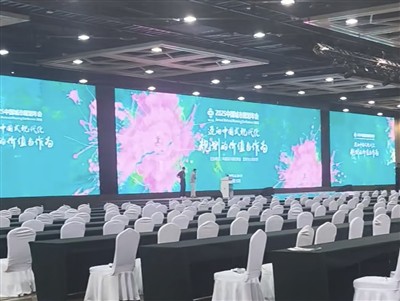
Small-pitch LED Displays: With technological advancements, LED displays have broken free from the limitation of being solely used outdoors and are beginning to emerge in the indoor market. They are suitable for indoor scenarios requiring seamless splicing but not extremely high image detail, such as large conference rooms, exhibition halls, and performance stages.
DLP Seamless Splicing Screens: Primarily used in high-end indoor scenarios requiring high image quality and seamless display effects, such as command and control centers, broadcast and television studios, and high-end commercial displays.