LED Digital Display Board: A Practical Guide to Technology, Applications, and Selection
If you are planning to purchase a display screen for advertising, information dissemination, or public events, you have likely encountered the term "LED digital display board." The core question for most buyers is straightforward: what makes this technology different from other options, and is it the right fit for my specific needs? This guide breaks down the fundamentals of the LED digital display board, its common uses, and the practical factors you should consider before making a decision.
What Is an LED Digital Display Board?
An LED digital display board is a flat panel that uses light-emitting diodes (LEDs - tiny semiconductor light sources) as individual pixels to show text, images, video, or animations. Unlike older projection systems or static printed signage, an LED display digital board offers dynamic content capabilities, high brightness, and a long operational lifespan.
How It Works
The display consists of an array of LEDs mounted on a circuit board, with each LED emitting red, green, or blue light. By combining these three colors at varying intensity levels, the system produces a full-color image. The pixel pitch - the distance between adjacent LEDs - plays a major role in determining the resolution and optimal viewing distance. A smaller pixel pitch generally provides a sharper image but costs more per unit area.
Common Applications of Digital LED Display Boards
An LED digital display board is highly versatile and appears across many industries and environments. Below are some of the most typical use cases.
Outdoor Advertising and Billboards
Large-scale LED screen digital display boards dominate highway billboards, building facades, and street furniture. Their high brightness level, typically measured in nits, makes them readable in direct sunlight. Additionally, they support remote content updates, allowing advertisers to schedule different messages throughout the day.
Retail and Hospitality
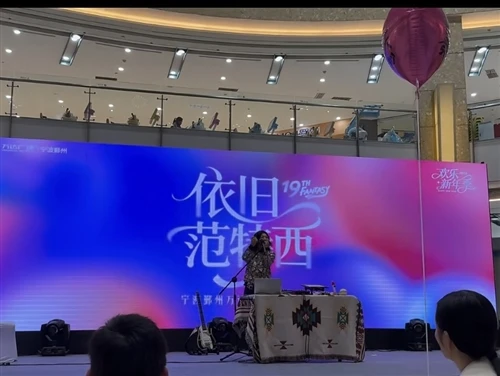
In shopping malls, storefronts, and hotel lobbies, a digital LED display board attracts attention with moving visuals and vibrant colors. Retailers often use them to promote special offers, guide customer flow, or create an immersive brand atmosphere.
Transportation Hubs
Airports, train stations, and bus terminals rely on an LED display digital board for real-time schedule updates, directional signage, and emergency alerts. The ability to change content instantly is particularly valuable in these fast-moving environments.
Corporate and Education Settings
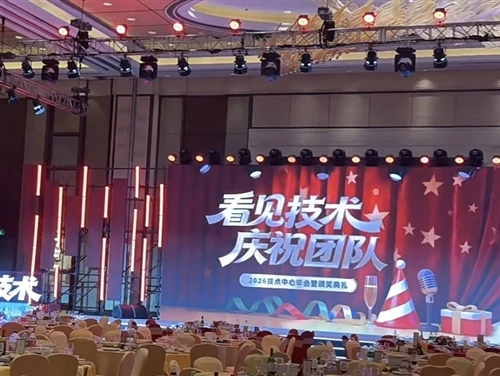
Conference rooms, auditoriums, and university campuses frequently install an LED display digital board for presentations, wayfinding, and event announcements. In these indoor settings, the focus tends to be on color accuracy and seamless integration with existing audiovisual systems.
Sports and Entertainment Venues
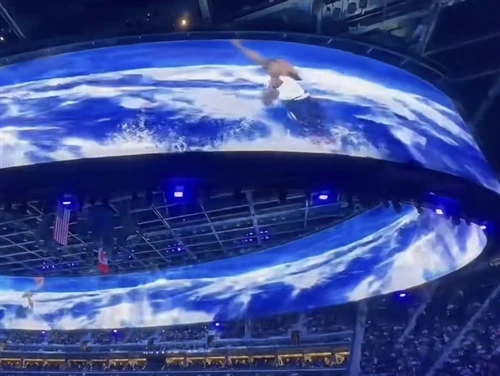
Stadiums, concert halls, and theme parks deploy large-format LED screen digital display boards for instant replays, live feeds, and sponsor messaging. The fast refresh rate ensures smooth motion without tearing or ghosting.
Key Factors to Consider When Choosing an LED Digital Display Board
Selecting the right LED display digital board involves evaluating several technical and operational parameters. The table below summarizes the most important factors.
| Factor | What It Means | Why It Matters |
|---|---|---|
| Pixel Pitch | Distance between adjacent LEDs (in mm) | Determines resolution and ideal viewing distance |
| Brightness (Nits) | Luminance output level | Affects visibility under ambient light conditions |
| Refresh Rate | How often the image updates per second | Influences motion smoothness and camera compatibility |
| IP Rating | Ingress Protection level (e.g., IP65) | Indicates dust and water resistance for outdoor use |
| Viewing Angle | Maximum angle at which content is clearly visible | Impacts how many people can see the screen from different positions |
| Maintenance Access | Front vs. rear serviceability | Affects installation space and repair convenience |
Pixel Pitch and Viewing Distance
The relationship between pixel pitch and viewing distance is a critical design consideration. As a general guideline, a smaller pixel pitch - such as under 2mm - works well for indoor spaces where viewers stand close to the screen. For large outdoor billboards viewed from far away, a larger pitch above 8mm is often sufficient and more cost-effective.
Brightness Requirements
Outdoor applications typically require a higher brightness level - in the range of 5,000 to 7,500 nits or more - to overcome sunlight glare. Indoor installations, on the other hand, usually operate at lower brightness levels to avoid eye strain and save power. It is important to choose a unit with adjustable brightness to suit different times of day.
Environmental Durability
If you plan to install the LED display digital board outdoors, check its IP rating. For example, IP65 (a protection rating indicating dust-tightness and resistance to low-pressure water jets) is commonly recommended for outdoor signage. For indoor use, a lower rating may be acceptable, which can reduce overall cost.
Advantages of an LED Digital Display Board
The growing popularity of this display technology can be attributed to several inherent advantages over older display types, such as traditional projection screens or liquid-crystal displays (LCDs).
High Brightness and Contrast: LED technology generally produces deeper blacks and brighter whites, making content stand out even under strong ambient light.
Energy Efficiency: Compared to conventional lighting and display technologies, LEDs typically consume less power for the same light output.
Long Lifespan: In typical use cases, an LED digital display board can operate for a long period before requiring major component replacement.
Scalability: You can build a led display digital board in virtually any size or shape by tiling multiple panels together.
Seamless Modular Design: Individual LED modules can be replaced or serviced without dismantling the entire installation, which reduces downtime during maintenance.
Potential Limitations to Keep in Mind
While an LED screen digital display board offers many benefits, it is not the perfect solution for every scenario. The initial purchase cost is generally higher than that of printed signage. Furthermore, fine-pitch models require more careful calibration to ensure uniform color and brightness across all modules. In some cases, LCD panels may still be preferred for very small displays or applications with strict viewing-angle requirements.
Maintenance and Ongoing Care
Proper maintenance extends the lifespan and preserves the visual quality of your digital LED display board. Dust and dirt accumulation on the surface can reduce brightness and clarity over time. For outdoor units, routine cleaning with appropriate non-abrasive materials is recommended. In addition, periodically checking power supplies and signal cables helps prevent unexpected failures.
Calibration and Color Consistency
Over time, individual LEDs may drift in color output. Many modern systems include automatic calibration features that adjust each pixel to maintain consistency. For mission-critical applications like broadcast studios or control rooms, manual recalibration by a trained technician may be necessary on a regular schedule.
Summary and Practical Recommendations
An LED digital display board is a powerful communication tool suitable for a wide range of indoor and outdoor environments. Its dynamic nature, high visibility, and long service life make it a reliable choice for advertising, information delivery, and entertainment. When choosing a digital LED display board, prioritize pixel pitch, brightness, and environmental protection based on your specific viewing conditions. It is also advisable to request a live demonstration from the supplier to evaluate color reproduction and viewing angles under real-world lighting. Finally, consider total ownership cost, including installation, calibration, and maintenance, rather than focusing only on the upfront purchase price.
Frequently Asked Questions
Q1: What is the difference between an LED digital display board and a regular LCD monitor?
A: An LED digital display board typically provides higher brightness, better contrast, and longer lifespan compared to most LCD monitors. However, LCDs often offer higher pixel density for close viewing and generally cost less for smaller sizes. The right choice depends on your specific environment and use case.
Q2: How long does a digital LED display board usually last?
A: In typical usage, the LEDs themselves can last a significant number of operating hours. However, other components like power supplies and cooling fans may require replacement earlier. Regular maintenance can help maximize the overall lifespan.
Q3: Can I use an LED display digital board outdoors without additional protection?
A: That depends on the product's enclosure and IP rating. For outdoor installation, it is important to choose a model specifically rated for outdoor use, with adequate weatherproofing and temperature control features.
Q4: How do I calculate the correct pixel pitch for my installation?
A: A general rule is to divide the minimum viewing distance (in meters) by 0.8 to 1.0 to estimate a suitable pixel pitch in millimeters. For instance, if the closest viewer stands 3 meters away, a pixel pitch around 3mm to 4mm may be appropriate. This is a rough guide, and actual requirements may vary based on content type.
Q5: What type of content works best on an LED screen digital display board?
A: High-contrast video, bold text, and simple graphics typically appear most clearly. Very detailed images with fine lines may require a small pixel pitch to remain distinguishable. It is generally recommended to test your content on the actual screen or a similar model before large-scale deployment.