Display Sign LED: A Complete Overview for Businesses
If you are considering modernizing your storefront or communicating more effectively with customers, you have likely looked at digital signage. The core question is whether a display sign LED is the right solution for your budget and goals. Unlike static signs, an LED display sign offers motion, color, and the ability to change content instantly. This article provides a straightforward overview of what a display sign LED can do.
What Is an LED Display Sign?
An LED display sign is a type of digital signage that uses light-emitting diodes to create images, text, and video. These signs are used in both indoor and outdoor settings to capture attention and convey information. They range from small, single-line text displays to massive full-color video walls.
Core Components
A typical display sign LED consists of three main elements: the LED panel or module, a control system (often a media player or PC), and the mounting structure. The control system sends the content signal to the panel, which then lights the individual LEDs in specific colors and intensities to render the image.
Types of LED Display Signs
There are several categories of LED display signs, each suited for different purposes.
| Type | Common Use | Resolution | Brightness |
|---|---|---|---|
| Monochrome/Text Display | Message boards, time/temp signs | Low | Moderate |
| Full-Color Outdoor Billboard | Highway advertising, building wraps | Varies (small to large pitch) | High (5,000+ nits) |
| Indoor Fine-Pitch Wall | Retail window displays, corporate lobbies | High (small pitch) | Moderate (1,500-2,500 nits) |
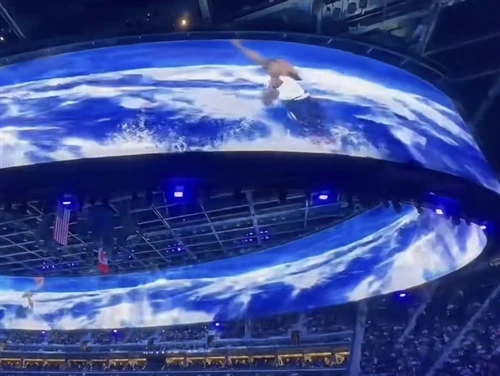
| Curved/Flexible Sign | Creative architectural installations | Varies | Varies |
Typical Applications for an LED Display Sign
An LED display sign is a versatile communication tool that appears in a wide variety of settings.
Retail and Storefronts
One of the most common uses is as a storefront sign. Retailers use an LED sign display to showcase promotions, new arrivals, and brand videos. The motion and color dynamics naturally draw the eye of passersby, potentially increasing foot traffic.
Corporate and Institutional Campuses
Businesses use a display sign LED in lobbies, reception areas, and along internal corridors to welcome visitors, announce meetings, or display internal metrics. Universities use them to promote events and direct students across large campuses.
Event and Entertainment Venues
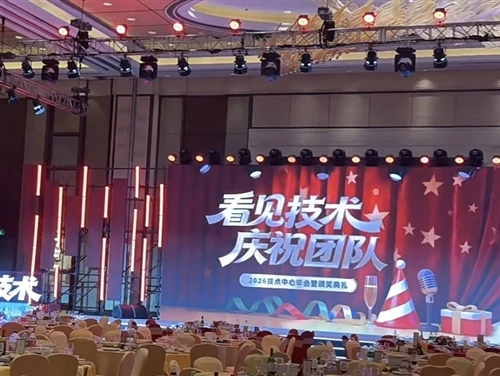
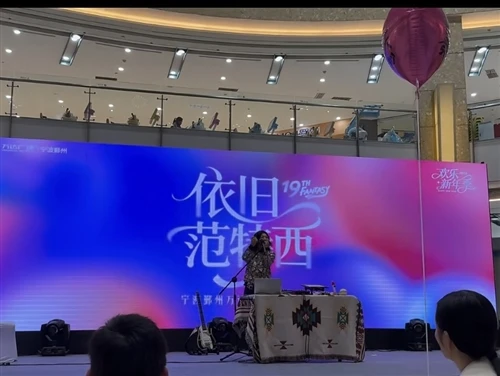
Concert halls, theaters, and conference centers use display signs to provide schedules, ticket information, and sponsor acknowledgments. In these settings, the ability to update content quickly is extremely valuable.
Healthcare and Public Services
Hospitals use display sign LED units for wayfinding, queue management, and health information. Government buildings use them for public announcements and emergency alerts.
Key Factors to Consider When Buying a Display Sign LED
Choosing the right display sign LED requires evaluating your environment, audience, and content goals.
Brightness and Location
The single most important factor is location. Outdoor signs require much higher brightness to overcome sunlight. For a storefront receiving direct sun, choose a sign with the highest brightness you can afford. Indoor signs require much less brightness and can focus on color accuracy and resolution.
Resolution and Viewing Distance
As with other LED products, pixel pitch determines the required viewing distance. A sign designed to be viewed from across the street needs a larger pitch and can be more affordable. A sign for a retail window where people stand close needs a small pitch.
Content Management System (CMS)
The software you use to manage content is as important as the hardware. A user-friendly CMS is essential for making quick updates. Some systems are cloud-based, allowing remote updates from any device. It is generally a good idea to test the CMS interface before purchasing to ensure it fits your technical comfort level.
Durability and Environmental Protection
For outdoor signs, check the IP rating. IP65 or higher is generally recommended for protection against dust and rain. For indoor signs, an IP rating is less critical, but consider the temperature and humidity of the installation space.
Advantages of an LED Display Sign
The shift to LED display signs is driven by clear advantages over traditional static signage.
Dynamic Content: You can change messages in seconds, allowing for time-sensitive promotions.
High Brightness: LED technology is visible in direct sunlight, unlike some other digital display types.
Long Lifespan: LEDs generally last a long time with consistent brightness, offering a good return on investment.
Cost-Effective Over Time: While initial costs are higher than printing, the ability to reuse the sign for different campaigns reduces long-term printing expenses.
Remote Management: Many systems allow you to manage multiple signs from a single dashboard.
Potential Drawbacks
The initial investment for an LED sign display is significant compared to a printed banner or basic sign. Additionally, power consumption for large outdoor signs is substantial, so it is wise to factor electricity costs into your total budget.
Maintenance Tips for Longevity
Regular maintenance ensures your display sign LED continues to perform well. For outdoor signs, clean the surface regularly to remove dust, bird droppings, and pollutants. Check for any loose cables or modules. Many manufacturers recommend a professional inspection once a year to check power supplies and cooling systems.
Summary and Practical Recommendations
A display sign LED is a powerful investment for any business or organization looking to communicate dynamically. By carefully evaluating your location, viewing distance, and content frequency, you can choose a sign that meets your needs without overspending. It is generally recommended to request a site survey from the supplier to ensure accurate brightness calculations and installation feasibility.
Frequently Asked Questions
Q1: How much does a display sign LED cost?
A: The cost varies widely based on size, pixel pitch, brightness, and control system. Larger outdoor signs with fine pitch are significantly more expensive. It is best to request custom quotes for your specific dimensions.
Q2: Can I use an LED display sign indoors and outdoors?
A: Indoor signs typically lack the brightness and weatherproofing required for outdoor use. Outdoor signs can be used indoors, but they are often more expensive and may run hotter. It is generally better to buy a sign specifically designed for your environment.
Q3: How long does it take to install a display sign LED?
A: Installation time depends on the size and complexity. A small indoor sign may be installed in a few hours. A large outdoor billboard may take several days, including structural work and cabling.
Q4: What content management software works with display sign LEDs?
A: Most manufacturers offer their own CMS software. Third-party solutions like Novastar or specific digital signage platforms (e.g., ScreenCloud, Optisigns) are also commonly used, provided they support the sign's control hardware.
Q5: Do LED display signs require a special electrical supply?
A: Large signs require dedicated power circuits with appropriate voltage. A licensed electrician should evaluate your site's power capacity before installation.