Flexible LED Panel: How It Works & Practical Applications
Meta Description: Considering a flexible LED panel for your installation? This guide explains how flexible led screen panels work, key applications, specs to check, and what to consider before buying.
Flexible LED Panel: How It Works & Practical Applications
A flexible LED panel opens up installation possibilities that rigid cabinet-based displays simply cannot reach - curved surfaces, columns, irregular architectural features, and shapes that no standard rectangular screen could conform to. If you're exploring flexible led display panels for a creative or architectural project, understanding the engineering behind the flexibility and its practical limits will help you plan effectively. This guide covers the key considerations.
What Is a Flexible LED Panel?
A flexible led panel screen is an LED display module built on a pliable substrate (a bendable base material) rather than the rigid PCB - Printed Circuit Board - used in conventional LED cabinets. This allows the panel to bend, curve, or flex to conform to non-flat surfaces, while still displaying full-color LED content in the same way as a rigid panel.
The flexibility is achieved by engineering the LED modules, conductive traces (the electrical pathways between components), and interconnects to maintain their function while the base material flexes within defined limits. This is a meaningful engineering challenge compared to rigid panel design, which is why flexible led screen panels generally offer a more limited range of pixel pitch options and require more careful handling than their rigid equivalents.
The terms "flexible led panel screen display," "flexible led display panel," and "led flexible panel display" all describe the same product category.
How Flexible LED Panels Compare to Rigid Panels
| Characteristic | Flexible LED Panel | Rigid LED Panel |
|---|---|---|
| Surface compatibility | Can conform to curved, irregular surfaces | Flat surfaces; curved effect requires angled mounting |
| Pixel pitch range | Generally more limited | Wide range available |
| Weight | Generally lighter | Heavier cabinet construction |
| Handling durability | More delicate; sensitive to sharp bending | More robust under normal handling |
| Installation complexity | Higher; careful surface prep needed | Standard cabinet mounting procedures |
| Content capability | Full color; same as rigid for compatible content | Full color; broader pitch options |
The central trade-off is clear: flexible panels unlock installation geometries not available with rigid cabinets, at the cost of more handling care and more limited pixel pitch options.
Common Applications for Flexible LED Panel Screens
Architectural column and pillar wraps: Flexible led panel screen products are widely used to wrap cylindrical or tapered columns in retail environments, hotel lobbies, airports, and other commercial spaces, turning structural elements into dynamic display surfaces.
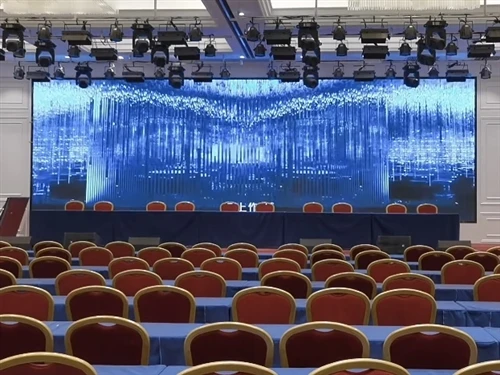
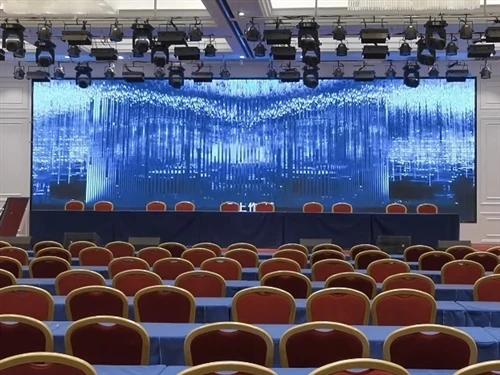
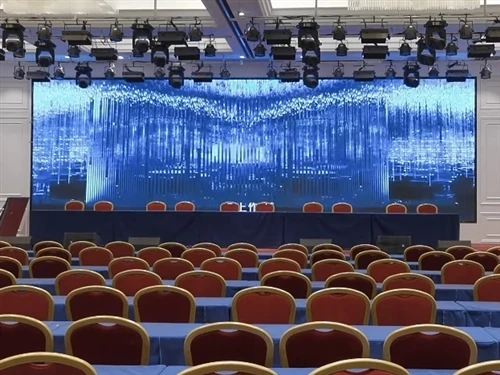
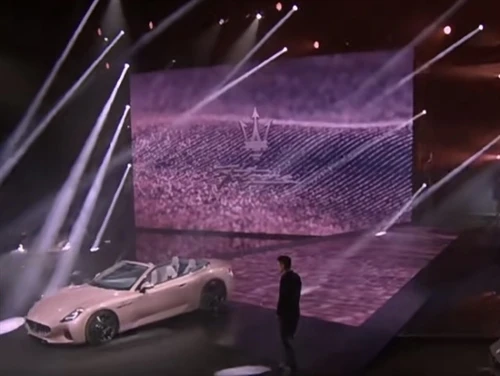
Curved wall and stage installations: For stage designs, event backdrops, and architectural feature walls with a curved profile, flexible led display panels allow the display to follow the curve smoothly rather than approximating it with angled rigid panels.
Retail fixtures and product displays: In high-end retail settings, flexible panels are integrated into display fixtures and product presentation structures where standard rectangular screens would not fit or would look out of place.
Museum and exhibition design: Exhibition designers use flexible led panel screen displays to create immersive environments where the display surface wraps or curves with the physical structure of the installation.
Creative and artistic installations: Artists and creative agencies use flexible LED panels to create unconventional display formats that use the bendable nature of the technology as part of the design concept.
Key Specifications and Practical Considerations
Minimum Bend Radius
Minimum bend radius (the tightest curve the panel can achieve without risking damage to its LED components or electrical connections) is the most critical specification specific to flexible products. Specifying a tighter curve than the panel is rated for risks immediate or progressive failure of the display or connections. Always verify that your intended installation curvature is within the product's rated specification.
Pixel Pitch
Pixel pitch (the center-to-center distance between adjacent pixels, measured in millimeters) determines image resolution relative to viewing distance, as with any LED display. For close-range retail or exhibition viewing, check that the available pixel pitch options for the flexible product meet your resolution requirements, since options may be more limited than for rigid panels.
Handling and Installation Requirements
Flexible led display panels require more care than rigid cabinets during handling, installation, and transport. Excessive bending beyond the rated radius, pinching, or impact can damage the delicate connections. Professional installation is generally recommended for anything beyond small-scale applications.
Surface Preparation
The surface to which a flexible panel will be applied or mounted should be assessed for compatibility - smooth, appropriately shaped, structurally suitable, and free of obstacles that would prevent the panel from lying flat against the surface in the desired configuration. The mounting method (adhesive, mechanical fasteners, or a combination) should follow the manufacturer's recommendations for the specific substrate.
Maintenance Planning
For installed flexible led panel screen displays, planning how individual sections will be accessed for maintenance or replacement is worth doing during the design phase. Flexible panels installed flush against curved surfaces may require more careful disassembly for access than rigid panels in standard mounting frames.
Summary
A flexible LED panel extends display capability to curved and irregular surfaces where rigid panels cannot go, making it a practical choice for architectural features, column wraps, curved stage designs, and creative installations. The flexibility comes with trade-offs - more limited pixel pitch range, more careful handling requirements, and more demanding installation processes - that are worth planning for from the earliest stages of the project. Matching the product's bend radius specification to the actual installation curvature, and planning for professional installation and future maintenance access, are the most important practical steps in a successful flexible LED panel project.
FAQ
Q: What is the difference between a flexible LED panel and a standard rigid LED panel?
A: A flexible led screen panel uses a pliable substrate that can bend to conform to curved or irregular surfaces, while a rigid panel uses a fixed cabinet structure suitable only for flat surfaces (or approximated curves using angled mounting). Flexible panels offer installation versatility; rigid panels offer a broader range of pixel pitch options and generally more robust handling characteristics.
Q: How tightly can a flexible led display panel bend?
A: This depends on the specific product's rated minimum bend radius - the tightest curve it can achieve without risking damage. This specification varies between products and should be verified against your design's actual curvature requirement before purchase or installation.
Q: Can flexible led panel screen displays be used outdoors?
A: Some products are designed for outdoor use, but many flexible LED panels are primarily intended for indoor applications. Outdoor use requires confirming the product's weatherproofing rating (IP rating), UV resistance, and brightness specifications are appropriate for the outdoor installation conditions. Not all flexible panels are rated for outdoor environments.
Q: How is a flexible LED panel installed on a curved surface?
A: Installation typically involves surface preparation, adherence to the manufacturer's specified mounting method (which may include adhesive application, mechanical fastening, or both), and careful handling throughout to avoid exceeding the panel's minimum bend radius. Professional installation is generally recommended for larger or structurally complex applications.
Q: What content can a flexible led display panel show?
A: Flexible LED panels display the same types of content as standard LED panels - full-color video, graphics, text, and animations - within the constraints of the panel's pixel pitch and resolution. Content should be produced at the appropriate resolution for the specific display dimensions and the expected viewing distance.