LCD video walls, due to their high-definition display, ultra-narrow bezels, 24/7 operation support, and ability to be freely combined in single or multi-screen configurations, have become a popular product in the indoor large-screen display field. They are mainly used in the following areas:
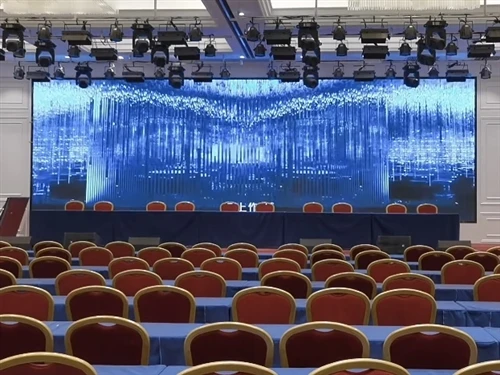
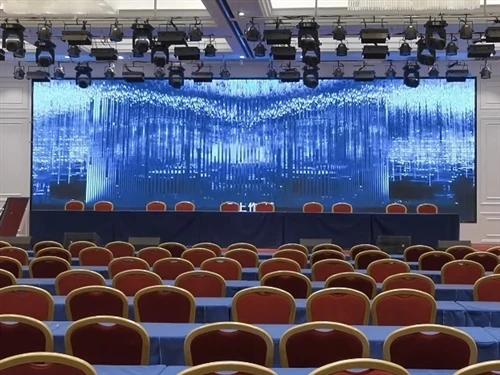
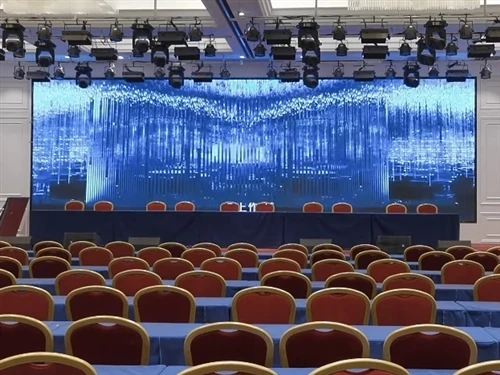
Conferences, Training Institutions, and Large Classrooms: Traditional LED screens have limited functionality, displaying only a single image with insufficient clarity; projectors and blackboards are time-consuming to deploy, impacting work and study efficiency. LCD video walls, with their high-definition image quality and flexible single/multi-screen switching capabilities, can achieve diverse displays such as product comparisons and topic differentiation. After pre-setting, content can be quickly and freely switched to meet the diverse needs of meetings and teaching, improving efficiency.
Catering and Hotel Display Terminals: As consumers' requirements for dining and hotel environments increase, the service industry needs to establish itself in the market through large-scale and specialized development. LCD video walls can perfectly showcase the brand culture, image, promotional activities, and entertainment content of restaurants or hotels, attracting customer attention, promoting consumption, and enhancing brand awareness.
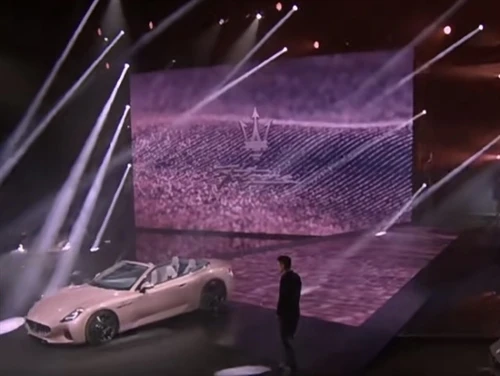
Restaurant and Hotel Display Terminals: Display terminals for commercial exhibitions, media advertising, and product displays: LCD video walls support long-term uninterrupted operation, meeting the continuous usage needs of indoor venues. Their high brightness, high resolution, and accurate color balance meet the high visual requirements of commercial advertising and product displays, stimulating consumer purchasing desire and making displayed content more impactful and memorable.
Information display terminals for transportation industries such as airports, ports, docks, subways, and highways: Transportation systems require displaying large amounts of information, which traditional large screens cannot meet. The unlimited splicing capability of LCD video walls allows for flexible expansion of the display area, real-time display of dynamic information such as flight schedules, train numbers, and freight, and ensures efficient operation of the transportation system through comprehensive monitoring.
Mining and energy safety monitoring systems: The mining and energy sectors have extremely high requirements for safety monitoring. Traditional large screens have limited display range and blurry images, which can easily affect accident command in low-light environments. The high definition and multi-screen display function of LCD video walls can comprehensively cover the monitoring area, providing reliable assurance for safe production.
Firefighting, meteorology, maritime affairs, flood control, and transportation hub command systems: These fields require a wide range of management capabilities and demand that command centers clearly understand the content displayed on screens to make informed decisions. LCD video walls offer single-screen display capabilities to focus on key information while supporting multi-screen (interconnected monitoring), meeting the command needs in complex scenarios.
In the future, with the development of communication technologies such as 5G, the application of LCD video walls will become more widespread and intelligent, further expanding into emerging fields such as smart cities, telemedicine, and virtual reality.