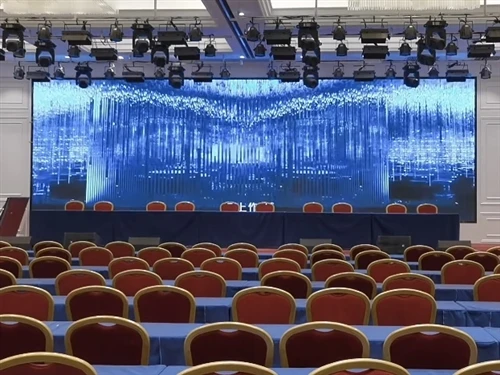
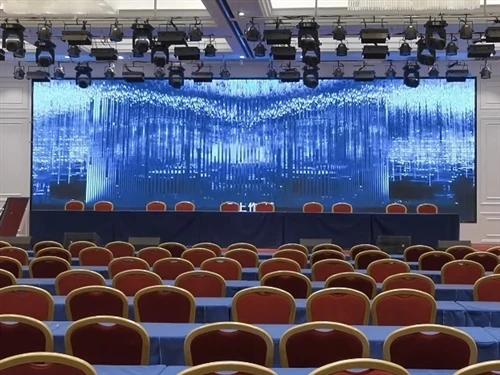
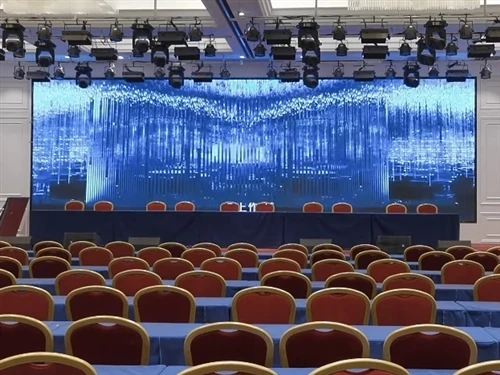
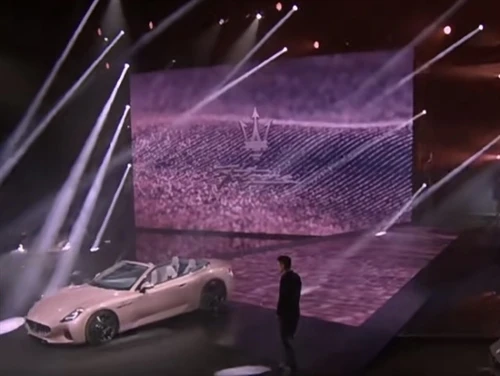
Stage rental LED full-color screens and conventional full-color screens differ significantly in model selection, installation methods, cabinet design, pricing, size, and environmental configuration. Specifically:
I. Model Selection
Stage Rental LED Full-Color Screens: These require higher display quality and a clearer picture. Indoor environments typically use P3 or P4 high-definition stage displays. For more demanding needs, even smaller pitch P2.5 or P2 models may be used. Outdoor environments use P7 and P6 models. Examples include the classic stage rental screens from Holiland such as the P3.91 and P4.81.
Conventional Full-Color Screens: Traditional indoor and outdoor displays, due to longer viewing distances or lower display requirements, use different models than stage rental screens. Indoor displays generally use P6 or P5 models, while outdoor displays commonly use P10, followed by P16. Indoor displays typically use surface-mount technology, while outdoor displays often use in-cell lights, although surface-mount products are sometimes used as well.
II. Installation Methods
Stage Rental LED Full-Color Screen: Offers quick and easy installation and disassembly, allowing for rapid setup and dismantling in different stage venues. For example, after a concert, it can be quickly disassembled and reassembled at another location, meeting the needs of frequent venue changes.
Conventional Full-Color Screen: Traditional indoor LED displays typically use a fixed installation method. Once the installation location is fixed, it cannot be easily moved, making it inconvenient for occasions requiring frequent venue changes.
III. Cabinet Differences
Stage Rental LED Full-Color Screen: Generally uses die-cast aluminum cabinets. This cabinet structure is lightweight, highly stable, and easy to use. Most importantly, it can be installed and disassembled at any time, making it ideal for large-scale performances such as concerts and stage shows.
Conventional Full-Color Screen: Traditional outdoor LED displays typically use waterproof cabinets, resulting in a heavier structure; indoor displays use simpler cabinets.
IV. Other Differences
In addition to the three main differences mentioned above, there are also differences in pricing, size, and environmental configuration. However, the specific differences need to be judged comprehensively based on factors such as actual product specifications and usage scenarios. For example, stage rental screens may include more costs related to convenient design and services in the price due to the need for frequent movement and quick installation; in terms of size, they will be customized according to the needs of different stage scenarios; in terms of environmental configuration, stage rental screens may focus more on quick adaptation and stable display in different environments, while regular full-color screens focus more on stable operation in long-term fixed environments.