In the display market, conventional displays and LED fine-pitch displays are two common display technologies. Each has its unique characteristics and application scenarios. This article will explore the differences between these two types of displays to help users make a more informed choice based on their needs.
I. Differences in Product Models
Conventional display models include P2, P2.5, P3, P4, P5, P6, etc., while LED fine-pitch display models include P1.25, P1.562, P1.667, P1.875, P1.923, etc. The number in the model represents the pixel pitch, which is the distance between two adjacent pixels.
II. Display Pixel Integrity
Because LED fine-pitch displays have smaller model numbers, this means they have a smaller pixel pitch, and the distance between two LED beads is closer, resulting in a clearer image. This high pixel integrity gives fine-pitch LED displays an advantage in displaying details. We provide a guide to choosing LED display pixel pitch.
III. Price Differences
LED fine-pitch displays have a high degree of color uniformity, resulting in superior color performance, playing an important role, especially in indoor monitoring and security fields. Due to their higher production process and the quality of components used, LED fine-pitch displays are usually more expensive than conventional displays. We provide a price and buying guide for fine-pitch LED displays.
Application Scenarios and Selection Criteria
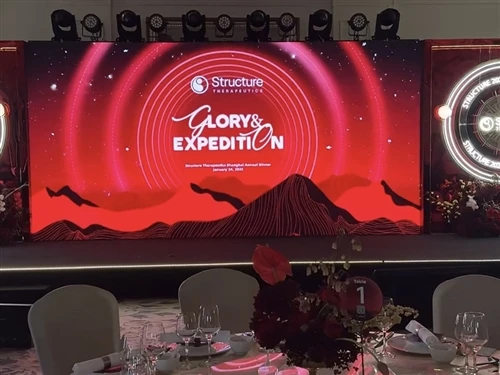
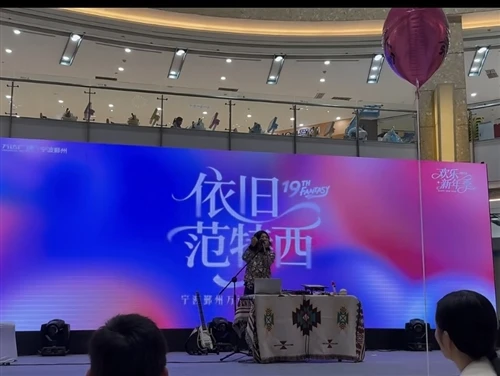
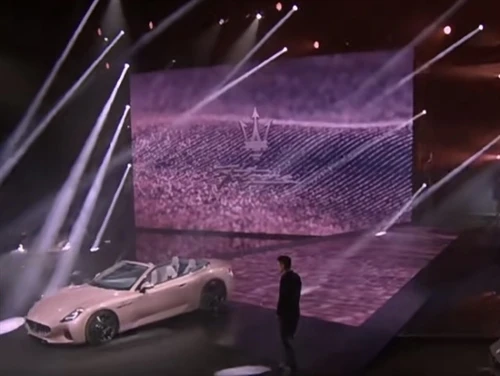
Although both are displays, their application scenarios and selection criteria differ. Users need to consider budget, requirements, and the actual installation environment when choosing a display. For example, conventional indoor displays are sufficient for places like shopping malls, hotels, and conference rooms. However, for more demanding indoor display environments, such as high-end conference rooms and control centers, LED fine-pitch displays are more suitable.
IV. Conclusion
Conventional displays and LED fine-pitch displays each have their advantages. The choice should be based on specific application needs, budget, and installation environment. With technological advancements, LED fine-pitch displays are becoming increasingly popular in the market due to their high clarity and color performance. However, conventional displays also have undeniable advantages in terms of cost-effectiveness and applicability. Users should consider all factors and choose the display type that best suits their needs.