Methods for Differentiating LED Displays
I. Classification by Display Color
1. Monochrome LED Display: Can only display one or a few single colors, such as red or green.
2. Dual-color LED Display: Can display information in two colors, such as alternating red and green displays.
3. Full-color LED Display: Can display multiple colors or even full-color images, offering strong visual expression.
II. Classification by Application
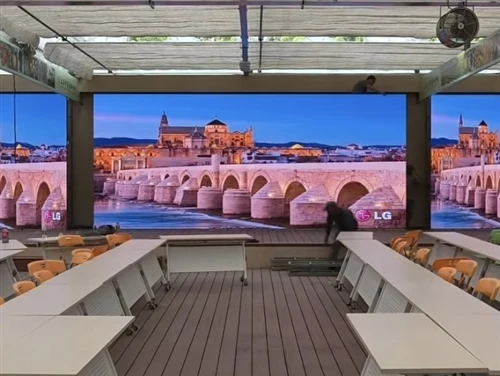
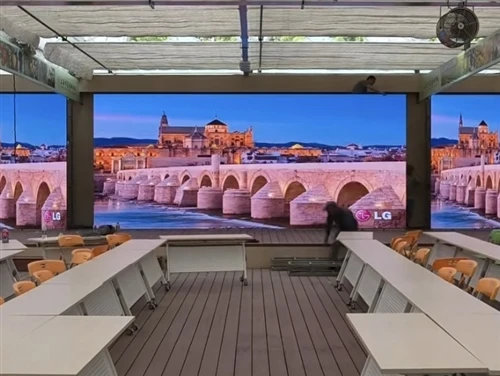
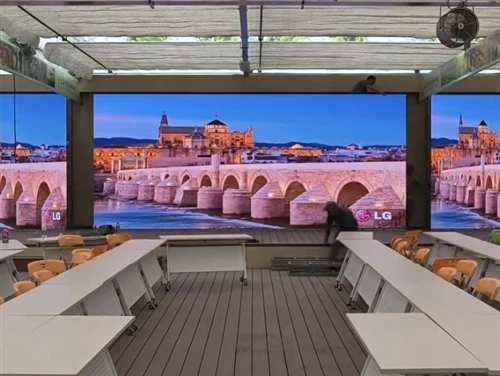
1. Indoor LED Display: Suitable for small-sized, high-definition displays, such as in conferences and exhibitions.
2. Outdoor LED Display: Features high brightness, waterproof and moisture-proof characteristics, suitable for outdoor advertising and traffic signs.
III. Classification by Display Technology
1. LED Dot Matrix Display: Composed of multiple LED lights arranged in a matrix, displaying text and images by controlling the on/off state of the lights.
2. LED Strip Screen: Uses a combination of strip-shaped LED lights, suitable for long, narrow display requirements.
IV. Classification by Control Method
1. Synchronous LED Display: Synchronized with an external signal source, displaying information in real time.
2. Asynchronous LED Display: Can store and play pre-set information without requiring a real-time signal source.

Detailed Explanation:
LED displays can be differentiated from multiple perspectives. First, classified by display color, monochrome LED displays are low-cost and suitable for simple information display; dual-color displays offer more variations; and full-color displays provide a rich visual experience. Second, based on the application, indoor LED displays focus on high definition and small size, while outdoor LED displays need to withstand harsh weather and environments, requiring high brightness and waterproof features. Third, classified by display technology, LED dot matrix displays are the most common type, while LED strip screens are suitable for specific scenarios. Finally, classified by control method, synchronous LED displays can respond to external signal sources in real time, suitable for news and live sports broadcasts; asynchronous LED displays can play pre-set information without an external signal source. These classifications can help users choose the appropriate LED display based on their needs.