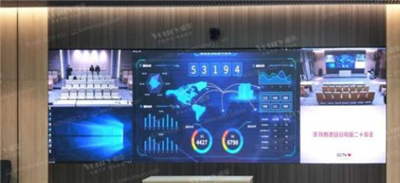
Common Sense for the Use and Maintenance of LED Displays
The seven common senses for the use of LED displays are as follows:
Line and Switch Inspection: Before use, check the line connection and switch status of the LED display to ensure that the switch is dry and free of water accumulation to prevent electric leakage or electric shock accidents caused by humidity. Regular maintenance can extend the service life of the equipment and ensure safety.
Maintain a Dry Environment: Maintain dryness around the display through air conditioning dehumidification, placing desiccants or physical moisture absorption (such as silica gel bags). Humid environments are prone to short circuit or corrosion of internal components, which need to be focused on prevention.
Regular Use in Meiyu Season: In the Meiyu season, the display should be used at least once a week for more than 2 hours each time. Continuous operation can generate heat, accelerate the evaporation of attached water vapor, and avoid internal condensation.
Moderate Ventilation Management: Ventilation can promote water vapor evaporation and reduce indoor humidity, but it is necessary to avoid windless and humid weather (such as cloudy and rainy days). Ventilation at this time may introduce external moisture, increase environmental humidity, and is not conducive to equipment protection.
Waterproof Maintenance of Outdoor Screens: For outdoor displays, regularly check whether the waterproof rubber ring of the cabinet is aging, deformed or incomplete, and whether the sealing screws/locks are loose. If water seepage is found, the sealing parts should be replaced in a timely manner and the structure should be reinforced to prevent rainwater from entering the internal circuit.
Emergency Treatment of Rental Screens in Rainy Days: Immediately cut off the power supply: when using indoor screens in rainy days, cut off the power supply immediately in case of rain to avoid short circuit. Cover with rainproof cloth: if the screen cannot be disassembled immediately, cover the equipment completely with rainproof cloth to prevent rainwater from seeping. Drying process in cloudy and rainy days: in case of continuous cloudy and rainy days, open the back cover of the cabinet, dry the internal components with cold air, and then place them in a well-ventilated and dry room for more than 8 hours. Finally, turn on the screen body at a reduced brightness for 4 hours to disperse moisture.
Power-On Maintenance for Long-Term Idleness: Whether it is an indoor or outdoor display, dead lights and blind spots may occur when it is used after long-term idleness. It is recommended to power on 1-2 times a month for several hours each time to disperse moisture and activate components through heat to prevent failures.