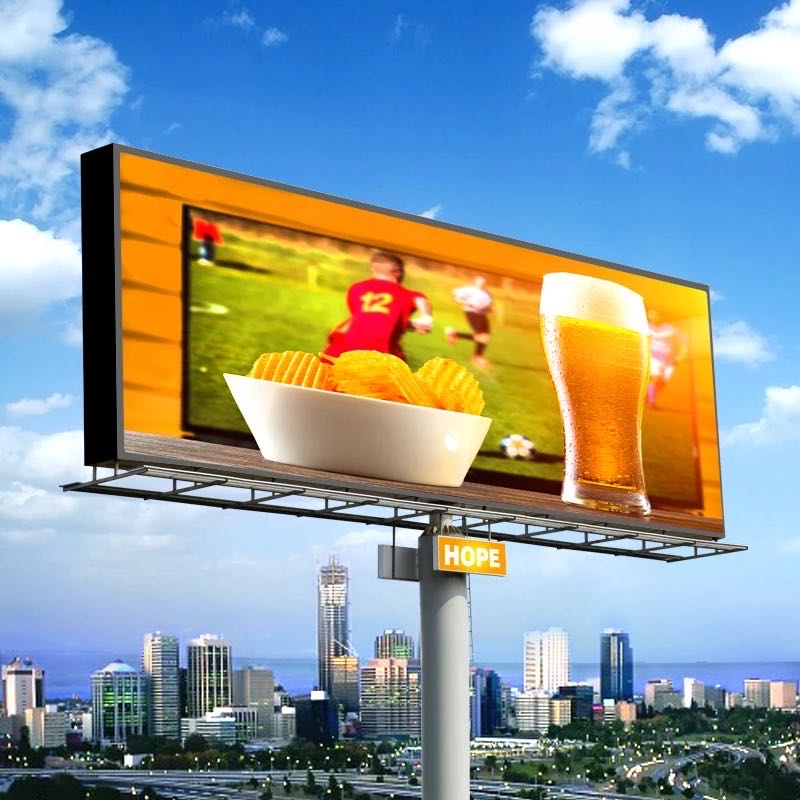
Whether an LED display can operate continuously for 24 hours depends on a combination of factors, including its technical specifications, product quality, operating environment, and maintenance strategy. Different categories and grades of LED displays have significant differences in design life, heat dissipation performance, and environmental adaptability. Therefore, whether they can support long-term continuous operation needs to be analyzed based on specific conditions.
Generally, industrial-grade or high-quality LED displays are optimized in component selection, circuit design, and heat dissipation structure, possessing strong continuous operation capabilities. However, this does not mean that all displays can work 24/7 under unlimited conditions. The actual operating time should strictly follow the technical parameters and usage recommendations provided by the manufacturer. Some products may specify the recommended daily working time or the maximum continuous operating time in the instruction manual.
The operating environment significantly affects the stability and lifespan of the display. Outdoor displays need to cope with environmental stresses such as temperature differences, humidity, ultraviolet radiation, dust, and rain. Long-term operation in high-temperature, high-humidity, or severely polluted environments will accelerate the aging of optical components, affect heat dissipation efficiency, and even cause circuit failures. Although the environment for indoor displays is relatively controllable, poor ventilation in the installation space can also lead to performance degradation or damage due to long-term heat accumulation.
Thermal management is one of the key factors affecting whether an LED display can operate continuously for a long time. LED chips and driver circuits generate heat during continuous operation. If the heat dissipation design is poor or the heat dissipation channels are blocked, it can easily lead to accelerated chip light decay, color drift, or even overheating protection shutdown. Therefore, maintaining good air circulation and regularly cleaning the heat sinks and fans (if any) of dust is crucial for maintaining the stable operation of the display.
In addition, even if the display hardware supports long-term operation, a scientific maintenance system needs to be established. This includes regularly checking the power supply stability, signal connection status, and module working status, and updating the firmware in a timely manner to optimize performance. In applications requiring year-round operation, such as commercial advertising, traffic information display, and monitoring and control, it is recommended to use strategies such as alternating displays and intermittent standby to reduce the static load on the display and extend its lifespan.
In summary, whether an LED display is suitable for 24-hour continuous operation should be determined based on the product specifications, actual environmental assessment, and a systematic maintenance plan. During the equipment selection phase, the usage scenario and expected operating time should be fully considered, and products with corresponding reliability should be chosen. During actual use, environmental monitoring and regular maintenance should be implemented to ensure that the equipment operates in a safe and stable state, thus achieving the best balance between performance and lifespan.
Finally, it should be noted that, as electronic display equipment, following the manufacturer's usage guidelines, performing regular maintenance, and appropriately reducing the operating load when unnecessary are crucial prerequisites for ensuring long-term reliable operation and maximizing economic benefits.