I. Concerts and Music Festivals
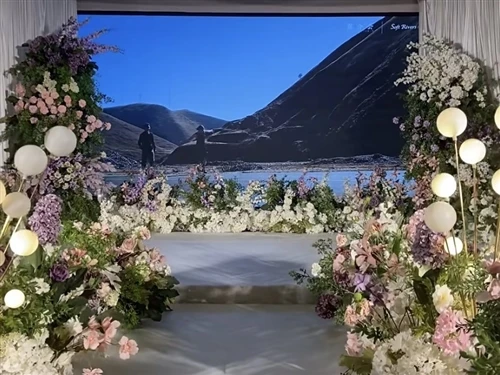
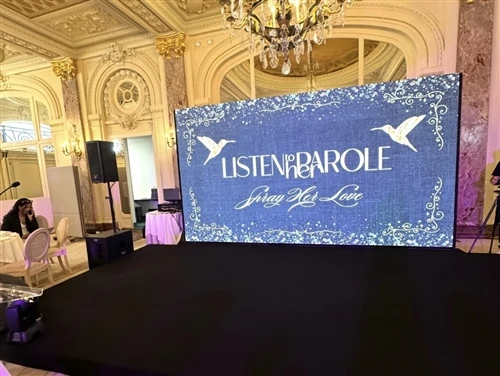
Dynamic Visual Narrative: Enhance musical emotional expression through synchronized image transitions and lighting. LED stage screens can render visual content in real-time that matches the rhythm and theme of the song, such as abstract art, natural landscapes, or abstract symbols, creating an immersive performance atmosphere.
Multi-dimensional Space Construction: Utilize combinations of curved, circular, or floor-standing screens with the main screen to create three-dimensional stage scenes. The screens can simulate extended spaces, virtual stages, or interactive backgrounds, breaking through the limitations of traditional flat scenery.
High Brightness and Wide Viewing Angle Adaptation: In outdoor strong light or large venues, the high brightness (typically above 3000 nits) and wide viewing angle (both horizontal and vertical viewing angles exceeding 120 degrees) of LED stage screens ensure a clear and consistent visual experience for the entire audience.
II. Galas and Award Ceremonies
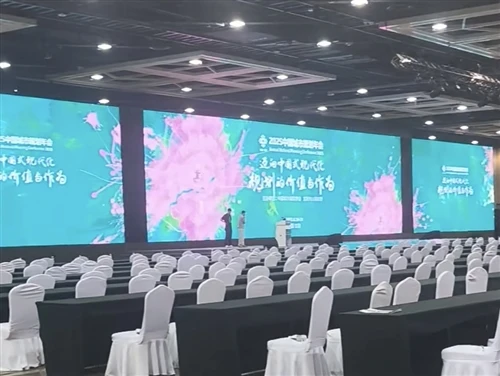
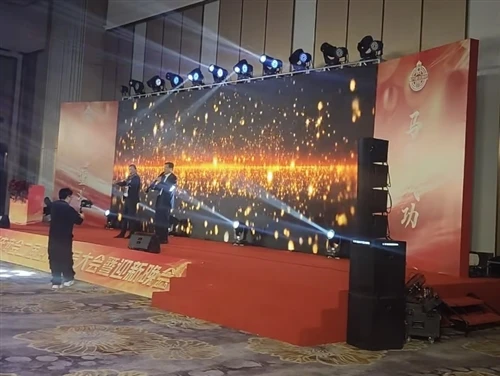
Background Images and Atmosphere Rendering: Through high-definition video, dynamic effects, or gradient colors, LED stage screens can provide dynamic background support for programs. Screen content can switch according to the program flow, such as opening countdowns, program transition animations, or displays of honors during award ceremonies.
Seamless Splicing and High-Definition Display: Modular splicing technology enables seamless connection of LED stage screens, avoiding image fragmentation; high refresh rates (e.g., 3840Hz) ensure smooth presentation of high-speed dynamic content (such as dance and special effects) without stuttering or ghosting.
III. Drama and Dance Performances
Dynamic Scenes: Replacing traditional static scenery, LED stage screens can switch scenes in real time (such as day-night cycles, seasonal changes), or use abstract patterns and color changes to metaphorically represent characters' psychological states, enhancing narrative depth.
Innovative Transparent and Flexible Screens: Transparent screens (with a light transmittance exceeding 85%) can be superimposed on real-world scenery to create a visual effect that blends reality and illusion; flexible screens can be bent into curved, wave-shaped, and other irregular structures to adapt to unconventional stage designs.
IV. Sports Events and E-sports Activities
Real-Time Information Display: In sports venues, LED stage screens are used to display scores, schedules, player data, highlight reels, or sponsor advertisements, enhancing audience engagement.
AR/VR Technology Integration: By combining augmented reality (AR) or virtual reality (VR) technologies, LED stage screens can present interactions between virtual scenes and real athletes/players, such as virtual tracks, special effects lighting, or data visualization overlays.
V. Celebrations and Theme Parks
Landmark Visual Presentation: In New Year's Eve celebrations, city festivals, and other events, large LED stage screens serve as the core visual carrier, playing city promotional videos, festival-themed animations, or interactive content to create a joyful atmosphere.
Themed Scene Creation: In theme parks, LED stage screens can simulate natural landscapes (such as starry skies and auroras), science fiction scenes, or historical scenes, combined with lighting, sound effects, and special effects to provide visitors with an immersive experience.
VI. Television Studios and Virtual Production
Virtual Studio Construction: Through LED stage screen backgrounds and camera tracking technology, real-time interaction between hosts and virtual scenes can be achieved, reducing the cost of building physical sets and improving the flexibility of program production.
XR Extended Reality Applications: Combining XR technology, LED stage screens can be expanded into an infinitely extending virtual space, supporting multi-view switching and deep interaction, suitable for news broadcasts, variety shows, or virtual press conferences.
VII. Commercial Activities and Brand Showcase
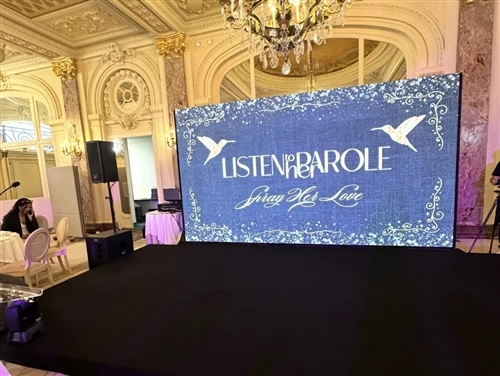
Product Launches and Interactive Marketing: In brand launches and exhibitions, LED stage screens are used to showcase product details, functional demonstrations, or brand stories. Combined with creative designs such as transparent and irregularly shaped screens, they attract audience attention.
Creative Designs and Space Utilization: Irregularly shaped LED stage screens, such as those resembling aluminum cans or cylinders, can be adapted to irregular spaces, such as shopping mall atriums or exhibition corners, enhancing information dissemination efficiency through 360-degree dynamic displays.