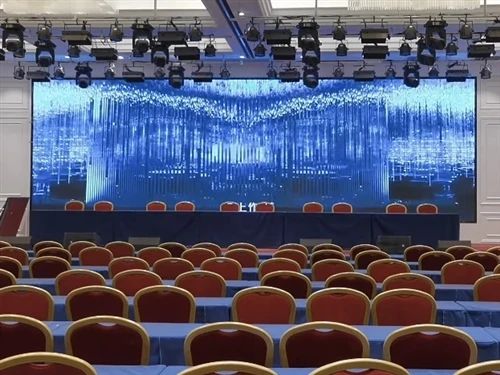
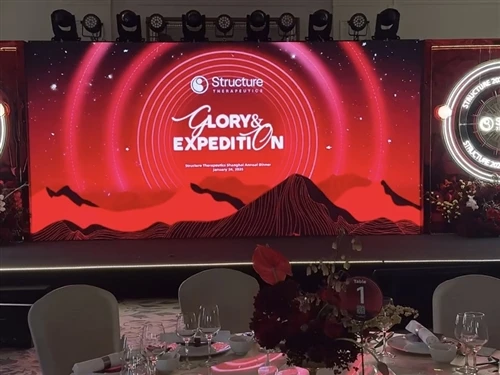
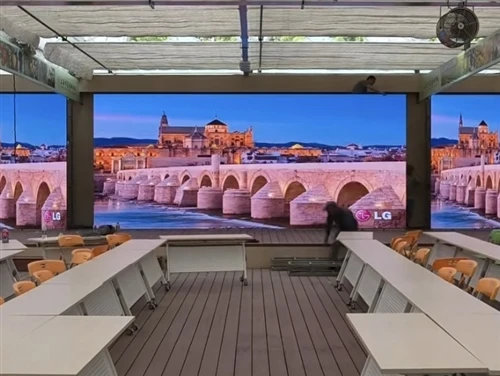
With the rapid development of LED technology, the indoor LED display market in 2025 offers a wide variety of products, from fixed installations to rental models, and from traditional SMD to advanced COB packaging, with significant differences in parameters and performance. According to industry reports, the global LED display market is expected to exceed $50 billion in 2025, with an annual growth rate of 12%.
However, many buyers, lacking professional knowledge, fall into "parameter traps" or "low-price pitfalls," resulting in significant investment without achieving the desired results. This article will help you clarify your thinking, covering everything from core parameters to brand selection, giving you a comprehensive understanding of purchasing techniques.
Core Parameter Pitfall Avoidance Guide: More Than Just a Numbers Game
1. Pixel Pitch: Not Just Smaller is Better
Pixel pitch refers to the distance from the center of one LED pixel to the center of an adjacent LED pixel, measured in millimeters. The key to choosing the right pixel pitch is a comprehensive consideration of viewing distance and screen size.
Close-range viewing (1-3 meters): For conference rooms and exhibition halls, it is recommended to choose small-pitch products (P1.2-P1.8) to ensure a delicate image without graininess.
Medium-to-long-range viewing (3-10 meters): For lecture halls and stage backdrops, P2-P2.5 products are sufficient and more cost-effective.
Long-distance viewing (10 meters or more): For large venues, P3 and above products can be selected to reduce costs without affecting the viewing experience.
Pitfall Warning: Do not blindly pursue the smallest pixel pitch; choose according to the actual viewing distance, otherwise it will lead to wasted resources. Reducing the pixel pitch by 0.1mm may increase the cost by more than 30%, but it makes almost no difference to viewers at a distance.
2. Brightness: Balancing Visual Effects and Comfort
The brightness of indoor LED displays is usually between 800 and 1,500 nits.
Regular indoor environments (conference rooms, classrooms): 800-1,000 nits are sufficient.
Near-window locations or high-light environments: 1,200-1,500 nits are needed to avoid glare affecting the viewing experience.
Special application scenarios (such as broadcast studios): Higher brightness may be required, but the visual comfort of the audience must be considered. Avoid pitfalls: Higher brightness isn't always better. Excessive brightness can cause eye strain and increase energy consumption. Choose products with automatic brightness adjustment, which intelligently adjusts to ambient light, saving energy while improving viewing comfort.
3. Refresh Rate: The Key to Smooth Dynamic Images
Refresh rate refers to the number of times an image is refreshed per second. A high refresh rate is crucial for displaying dynamic images.
Basic applications (static images, text information): A 1,920Hz refresh rate is generally sufficient.
Video playback, dynamic content: 3,840Hz or higher is recommended to ensure smooth images without motion blur.
Professional applications (broadcasting, live streaming, filming): 3,840Hz or higher refresh rate is required to avoid screen flickering.
Avoid pitfalls: Low refresh rates can cause scan lines during filming and lead to eye fatigue. Especially for live streaming and recording scenarios, a high refresh rate product (≥3840Hz) is essential; otherwise, subsequent modification costs will be high.