The choice of pixel pitch (P-value) for indoor LED screens needs to be determined based on the actual viewing distance, budget, and requirements. Smaller pixel pitch does not necessarily mean better performance; the optimal solution is the one suitable for your specific scenario. Here's a detailed analysis:
Smaller pixel pitch results in a more refined image, but at a higher cost.
Ultra-small pixel pitch (e.g., P0.6, P0.9): Extremely small pixel pitch, resulting in image detail approaching that of an LCD screen, high color fidelity, and low energy consumption. Suitable for scenarios with extremely high image quality requirements (e.g., high-end conference rooms, command centers, TV studios). However, these products are expensive and have strict requirements for the installation environment (e.g., flatness, heat dissipation).
Suitable scenarios:
Close-range viewing (e.g., within 1-3 meters);
Occasions requiring the display of high-definition video, detailed charts, or text;
Users with sufficient budget who seek the ultimate visual experience.
Viewing distance is the core factor in choosing pixel pitch.
Relationship between pixel pitch and viewing distance:
Based on industry experience, the optimal viewing distance (meters) ≈ pixel pitch (millimeters) × 3000~5000. For example:
P2.5 display: Optimal viewing distance approximately 7.5~12.5 meters;
P1.5 display: Optimal viewing distance approximately 4.5~7.5 meters. If the actual viewing distance is less than the recommended value, the viewing experience may be affected by pixelation; if it is much greater than the recommended value, it may result in wasted resources (e.g., choosing P0.9 but viewing at a distance of more than 5 meters).
Common recommended indoor pixel pitches:
P1.2~P1.5: Suitable for medium to close distance viewing (3~8 meters), such as conference rooms, exhibition halls, and monitoring centers;
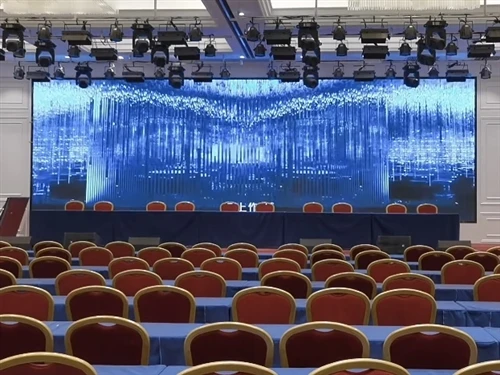
P1.8~P2.5: Suitable for medium to long distance viewing (5~15 meters), such as shopping malls, auditoriums, and stadiums;
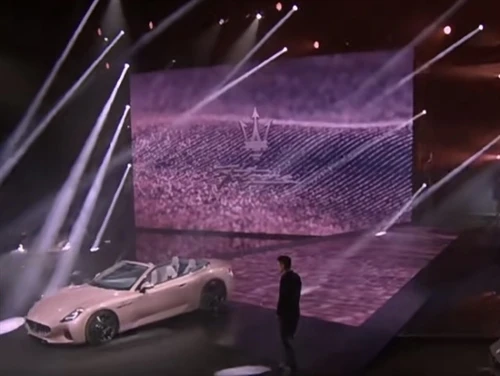
P3 and above: Suitable for long distance viewing (more than 10 meters), such as large stage backdrops and event venues (but less common indoor applications).
Balancing effect and cost, avoid excessive pursuit of small pixel pitch.
Cost differences: For each reduction in pixel pitch (e.g., from P2.5 to P2.0), the cost may increase by 30%~50%, and maintenance difficulty also increases. For example:
A P2.5 display screen costs approximately 60%~70% of a P1.5 screen;
A P0.9 display screen can cost 3~5 times more than a P2.5 screen.
Cost-effectiveness selection:
If the viewing distance is long (e.g., over 10 meters), choosing a P2.5 or P3 screen will suffice; there's no need to pursue anything below P1.5.
If the budget is limited, the pixel pitch requirement can be relaxed appropriately, compensating for insufficient image quality by optimizing content design (e.g., using large fonts, high-contrast materials).
Analogy for outdoor LED screens: Pixel pitch needs to match the usage scenario.
Outdoor screen example: Outdoor P10 displays have a relatively large pixel pitch (10mm), but due to the long viewing distance (usually over 10 meters), they still present a clear image. Similarly, indoor screen selection should be based on the actual scenario, rather than simply pursuing a small pixel pitch.
Purchase recommendations:
Clarify needs:
Determine the main usage scenario (e.g., meetings, exhibitions, advertising) and viewing distance;
Assess the budget range and image quality requirements (e.g., whether 4K/8K resolution is needed).
Consult professional manufacturers: Provide manufacturers with information such as usage scenarios, viewing distance, and budget to obtain targeted solutions; prioritize manufacturers that provide on-site testing or case studies (such as Shenzhen Dayuan Intelligent).
Compare prices and conduct site visits: Compare quotations, product parameters, and after-sales services from multiple manufacturers; conduct on-site visits to manufacturers to assess their scale, production processes, and completed projects to reduce risk.
Summary: There is no fixed standard for the "optimal P-value" of indoor LED screens; it needs to be determined comprehensively based on viewing distance, budget, and scenario requirements. Ultra-small pixel pitch (e.g., P0.9) offers the best image quality but is more expensive, suitable for close-range, high-requirement scenarios; medium pixel pitch (e.g., P1.5~P2.5) offers better cost-effectiveness and covers most indoor applications. It is recommended to choose based on actual needs and avoid blindly pursuing technical parameters.