Discover how a floor led display transforms spaces. Learn about its interactive features, common applications, and essential buying considerations.
What is a Floor LED Display? Applications and Key Benefits
If you are looking to create an immersive, visually stunning environment that captures attention from the ground up, a floor led display is one of the most effective solutions available today. Unlike traditional screens mounted on walls or hung from ceilings, these specialized digital displays are built directly into the ground to withstand heavy foot traffic while broadcasting vibrant visual content. Whether you are planning a commercial event, upgrading a retail space, or designing an interactive museum exhibit, understanding how these underground displays work can help you elevate your spatial design.
Understanding the Technology Behind Floor LED Displays
A floor led display-often referred to as an LED floor screen or LED dance floor-is a digital display system specifically engineered to be walked on. At its core, it utilizes Light Emitting Diode (LED) technology to render high-bright, high-contrast imagery directly beneath the feet of visitors. While standard LED screens focus primarily on visual clarity and weight reduction, floor-based variants require a highly specialized structural design to ensure durability, safety, and operational longevity.
To survive continuous human contact and heavy equipment loads, these displays feature a reinforced frame, a load-bearing structure, and a highly resilient protective cover. The top layer is usually treated with anti-slip, anti-glare, and scratch-resistant materials to prevent accidents while maintaining excellent optical clarity. Additionally, they are built to dissipate heat efficiently from the sides or bottom, as the top surface remains sealed to prevent liquid ingress from spills or cleaning.
Many modern floor systems also integrate advanced sensor technology, such as infrared sensors or pressure-sensitive chips. This turns a standard passive screen into an interactive floor led display that responds in real-time to human movement. When a visitor steps on a specific tile, the sensors detect the coordinate data and instantly trigger a visual reaction, such as ripples in water, blooming flowers, or dynamic game elements.
Common Application Scenes Across Industries
The versatility of floor led display technology allows it to be utilized across a wide variety of public and commercial environments. By transforming static floors into dynamic canvases, businesses can completely alter the atmosphere of a room.
Stage Performances and Entertainment Events
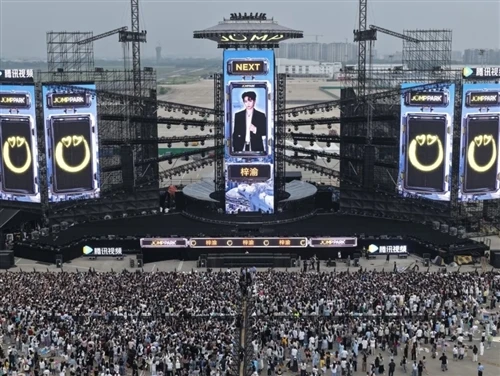
In concert halls, theaters, and television studios, these displays are frequently used to create seamless, multi-dimensional visual effects. By synchronizing the floor graphics with the background LED video walls, production designers can craft an immersive 3D environment that enhances the performance of actors or musicians.
Interactive Exhibitions and Museums
Museums, science centers, and art galleries utilize interactive floor screens to engage visitors in a more hands-on manner. For example, a historical museum might project an ancient map that reveals details when stood upon, making education an experiential journey rather than a passive viewing experience.
Retail Spaces and Flagship Stores
High-end retail brands use digital floor systems to attract foot traffic and reinforce brand identity. By displaying subtle, elegant animations beneath featured product showcases, stores can create a luxurious ambiance that guides customer movement through the retail floor.
Corporate Showrooms and Trade Shows
At exhibition booths and corporate headquarters, a floor led display serves as a major focal point. It helps companies stand out in crowded exhibition halls, drawing prospective clients into the booth space through dynamic branding and interactive product demonstrations.
Key Advantages of Implementing Floor LED Displays
Investing in a floor-based digital display offers distinct advantages over traditional marketing and design mediums, particularly regarding engagement and spatial utility.
High Engagement Rates: Because people naturally look where they are walking, a floor-based display captures attention far more effectively than traditional signage. The interactive element further increases dwell time, as users spend more time interacting with the responsive visuals.
Structural Robustness: These systems are built to endure substantial weight. Depending on the specific product engineering, standard modules can easily support heavy foot traffic, crowded events, and even vehicles in automotive showroom setups.
Modular Flexibility: Floor LED systems are composed of individual panels or tiles. This modular nature allows them to be assembled into various shapes and sizes, matching the specific architectural layouts of different venues.
Easy Maintenance: Most professional systems are designed with front-maintenance or top-maintenance capabilities. If a single module experiences a technical glitch, it can be quickly replaced using specialized tools without dismantling the entire floor structure.
Technical Considerations When Choosing a Floor LED Screen
When evaluating options for a floor led display project, several technical parameters must be considered to ensure the product matches the environment's demands.
| Feature / Parameter | Standard Requirement | Why It Matters |
| Load-Bearing Capacity | Usually 1,500 to 2,000 kg/m² | Ensures the screen can handle heavy crowds, staging gear, or vehicles without cracking. |
| Protection Rating | IP65 or higher (An Ingress Protection rating indicating high dust and water resistance) | Protects the internal electronics from accidental beverage spills, wet shoes, and floor cleaning. |
| Pixel Pitch | Typically ranges from P2.5 to P6.25 (The distance between the centers of two adjacent pixels) | Determines the clarity of the image; smaller pitches are ideal for close-up viewing distances. |
| Anti-Slip Surface | Matte, textured surface treatment | Prevents pedestrians from slipping, especially in high-traffic or damp public venues. |
Summary and Recommendations
A floor led display is a powerful tool for turning ordinary spaces into unforgettable, interactive experiences. It combines rugged structural engineering with advanced visual technology to open up new possibilities for entertainment, retail, and corporate branding. When planning your installation, it is highly recommended to assess your venue's specific traffic volume, weight requirements, and viewing distance to select the ideal pixel pitch and load rating. Working with an experienced integration partner will ensure your installation is safe, durable, and visually impactful.
Frequently Asked Questions (FAQs)
Can a floor led display handle heavy cars or equipment?
Yes, many industrial-grade floor LED screens are designed specifically with reinforced internal structures capable of supporting heavy loads. In typical automotive showrooms or trade shows, these panels easily support vehicles, provided the weight distribution aligns with the manufacturer's specified load-bearing capacity per square meter.
What happens if someone spills water on the floor LED screen?
Most professional floor LED modules feature an IP65 or higher protection rating, which means they are tightly sealed against dust and liquids. If a drink is spilled or if visitors bring in rainwater on their shoes, the liquid remains on the surface and can be wiped away safely without damaging the internal electronic components.
How do interactive floor LED displays detect movement?
Interactive systems generally rely on built-in sensors, such as infrared sensor arrays or pressure sensors embedded within each LED tile. When a person steps onto a tile, the system captures the exact position data and sends it to a media server, which instantly updates the visual content to match the movement.
Is the surface of a floor LED display slippery?
No, reputable manufacturers apply a specialized matte or textured finish to the top protective layer of the LED tiles. This design is engineered to provide sufficient friction and anti-slip properties, ensuring that pedestrians can walk, run, or dance on the screen safely under normal conditions.