The core differences between LCD liquid crystal display (LCD) wall panels and LED displays lie in the design of the seams, brightness performance, installation thickness, and display effect. The price differences mainly manifest in technical costs, application scenario requirements, and maintenance methods. The following analysis is conducted from three dimensions: technical characteristics, price differences, and application scenarios:
1. Technical Feature Comparison
Seam Design
LCD liquid crystal display (LCD) panel array screen: After being spliced, there are obvious physical seams (usually ranging from 3.5mm to 5.5mm), and black dividing lines can be seen with the naked eye, which affects the overall continuity of the picture.
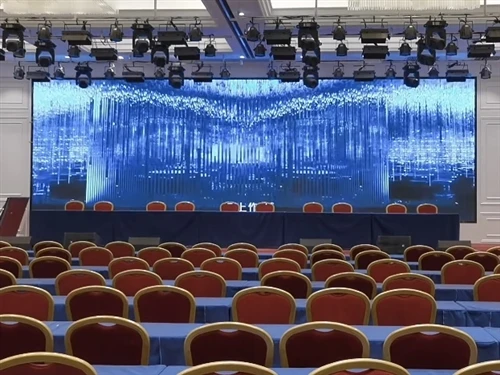
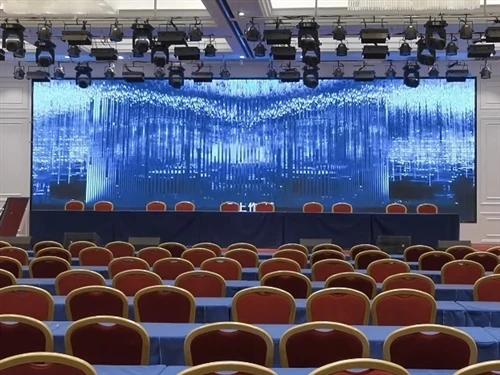
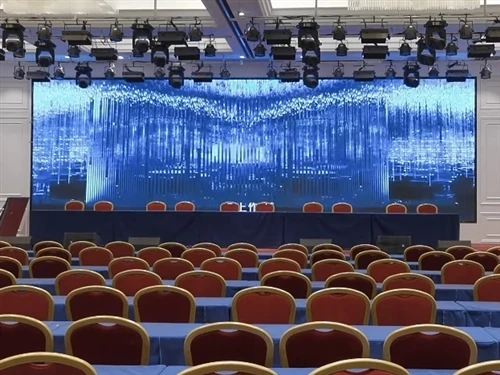
LED display screen: Utilizing self-luminous diode technology, it achieves true seamless connection, with high picture integrity. It is particularly suitable for large-sized display scenarios.
(Left: LCD stitching effect; Right: LED seamless effect)
Brightness and color
LCD liquid crystal display wall: The brightness is usually 500 cd/m2, and the color reproduction is relatively poor. The visibility is poor in outdoor strong light environments.
LED display screen: Indoor brightness ranges from 800cd/m2 to 1500cd/m2, while the outdoor model can reach 5000cd/m2 to 8000cd/m2. It has high color saturation and can meet various environmental requirements.
Installation thickness
LCD liquid crystal display wall panel: Installation thickness ≥ 22 cm. Wall depth needs to be reserved, and the protrusion should be obvious.
LED display screen: With a thickness of only 7 cm (taking the P3 model as an example), it can be installed on the wall and has a thinner and lighter appearance.
(Left: LCD installation effect; Right: LED wall-mounted effect)
Clarity and viewing distance
Close range (≤ 3 meters): The LCD liquid crystal display (such as 46-inch) has slightly better clarity than the LED display of the same size (such as the P3 model), and the edges of the text are sharper.
Long distance (over 3 meters): Due to its high brightness and anti-light attenuation properties, LED displays offer clearer display effects, making them particularly suitable for outdoor or large venue applications.
II. Price Difference Analysis
Initial Purchase Cost
LCD liquid crystal display (LCD) panel-based wall display: The unit price is relatively low (approximately 2,000 - 5,000 yuan per panel, for example, 46-inch size), but multiple panels need to be combined to achieve a large size. The total cost increases linearly with the increase in area.
LED display screen: The unit price is relatively high (the P3 model costs approximately 8,000 - 15,000 yuan per square meter), but it can be seamlessly expanded. For large-scale projects, the total cost may be lower than that of the LCD mosaic solution.
Long-term usage cost
Maintenance costs:
LCD liquid crystal display wall panel: The seam area is prone to accumulate dust and requires regular cleaning; if a single screen fails, it needs to be sent back to the factory for overall repair, which takes a long time (approximately 7-15 days).
LED display screen: Modular design. In case of failure, only the 192mm×192mm unit needs to be replaced (completed in 1 minute), resulting in low spare part costs.
Life span and light attenuation:
LCD liquid crystal display screen: The light flux of plasma screens decays rapidly, and mosaic phenomena may occur within 2-3 years.
LED display screen: The light attenuation period is ≥ 5 years, providing higher stability for long-term use.
Quality guarantee policy impact
LCD LCD liquid crystal display wall screen: Generally has a one-year warranty, and it can be exchanged within 7 days.
LED display screen: Major manufacturers offer a 3-year warranty, and provide free return and exchange within 3 months, reducing potential risks in the later stage.
III. Application Scenarios Recommendation
LCD Liquid Crystal Wall Display Applicable Scenarios
Indoor monitoring centers, meeting rooms, and other scenarios where detailed observations are required at close range.
Small-scale display demands with limited budget and no sensitivity to seams.
Applications of LED Displays
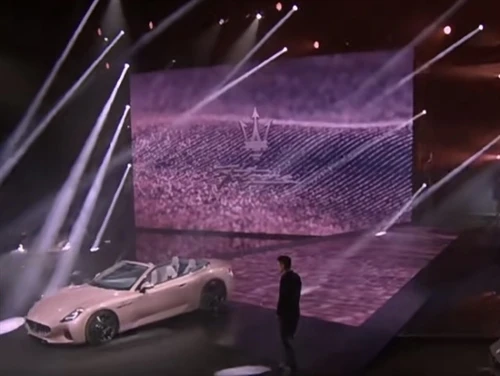
Outdoor advertisements, stage backgrounds, sports venues, etc., require high brightness and seamless display.
For commercial displays with high requirements for maintenance efficiency (such as quick replacement of faulty modules).
Projects that require long-term stable operation (such as command centers, transportation hubs).