DJ LED Screen: Setup, Uses & Buying Considerations
A DJ LED screen adds a visual dimension to a performance that audio alone can't deliver - turning the booth or stage into a focal point that reinforces the energy of the set. Whether you're a mobile DJ looking to upgrade your setup or a venue considering a permanent led screen for dj installations, understanding the practical options and specifications helps you make a decision that fits your actual performance needs. This guide covers the essentials.
What Is a DJ LED Screen?
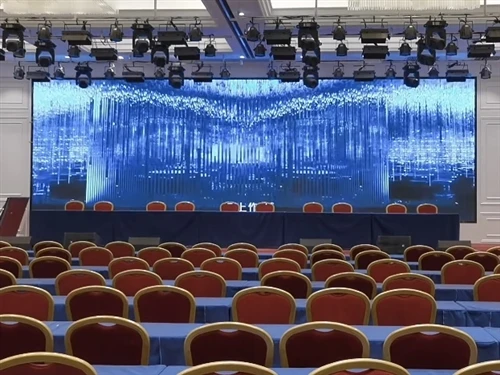
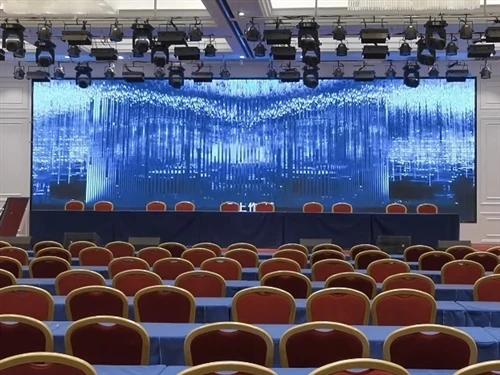
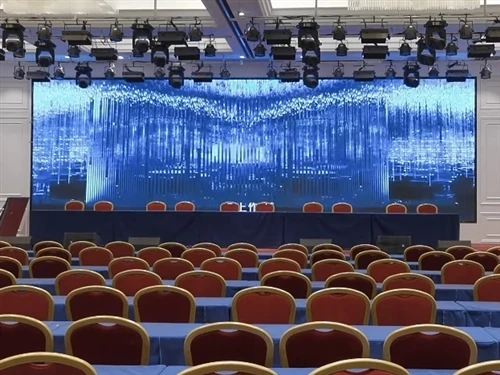
A DJ LED screen is an LED display specifically used as part of a DJ or live performance setup, typically positioned behind, beside, or built into the DJ booth to show visuals, branding, or reactive graphics synchronized with the music. The display itself uses standard direct-view LED panel technology - the same modular LED cabinets found in other commercial and event applications - configured and positioned for the specific needs of a performance environment.
A dj led display can range from a small facade panel mounted on the front of a DJ table to a full-scale backdrop screen behind the performance area. The choice depends on the venue, the scale of the event, and whether the screen is intended as a primary visual element or a supporting feature.
The terms "led screen dj," "led dj screen," and "dj screen led" are used interchangeably to describe this category of display application.
Common Configurations for DJ LED Screens
| Configuration | Description | Typical Use |
|---|---|---|
| Booth facade panel | Small LED panel on the front of the DJ table | Mobile DJ setups, club booths, branding display |
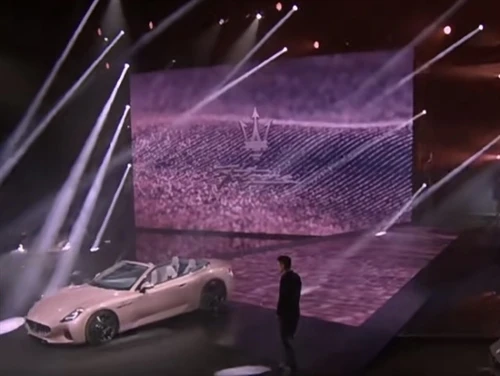
| Backdrop screen | Larger screen positioned behind the DJ | Stage performances, festivals, club main rooms |
| Side or flanking screens | Screens positioned to the sides of the stage | Larger venues, festival main stages |
| Modular touring panels | Lightweight, quick-assembly rental-grade panels | Touring DJs, traveling performance setups |
| Curved or shaped configurations | Custom-shaped panels for distinctive stage design | High-production events, branded experiences |
For most mobile and club DJ setups, the booth facade panel is the most common starting point, while larger venues and festival-scale events typically use backdrop or flanking screen configurations.
Common Applications
Club and nightlife venues: Permanent LED screens installed in club booths or main rooms provide a consistent visual element for resident DJs and touring acts, often synchronized with lighting and sound systems for an integrated show experience.
Mobile DJ services: Mobile DJs use portable led screen for dj setups - typically lightweight facade panels - to add branding and visual interest to weddings, corporate events, and private parties without the complexity of a full production setup.
Festivals and large-scale events: Festival main stages commonly feature substantial backdrop LED screens as part of the overall stage production, supporting both visual content and branding for headline performances.
Corporate and brand events: DJ performances at corporate events and brand activations often incorporate LED screens displaying branded visuals alongside the performance, reinforcing marketing messages.
Live streaming and broadcast performances: For DJs streaming performances online or being filmed for broadcast, an LED screen backdrop adds production value and visual consistency for the camera.
Key Specifications to Consider
Pixel Pitch
Pixel pitch (the center-to-center distance between adjacent pixels, measured in millimeters) should be matched to typical viewing distance. For close-range booth facade panels viewed by people standing nearby, a finer pixel pitch produces sharper visuals. For larger backdrop screens viewed from across a venue or festival crowd, a coarser pitch is generally adequate and more cost-effective.
Brightness
Brightness (measured in nits - cd/m², or candelas per square meter) affects how the visuals appear relative to the venue's lighting conditions. Indoor club environments with controlled lighting can use moderate brightness levels, while outdoor festival settings - particularly daytime events - require considerably higher brightness for visibility.
Refresh Rate
Refresh rate (Hz - how many times per second the image is redrawn) matters significantly for DJ applications, since visuals are often synchronized with fast-moving beats and reactive lighting effects. A higher refresh rate helps avoid visible flicker or artifacts, particularly when the screen is captured on camera for live streaming or video recording.
Portability and Setup Time
For mobile DJ setups, portability is a practical priority. Lightweight panels with quick-connect cabling and compact transport cases reduce setup time and make the equipment easier to transport between venues. For permanent club installations, this consideration matters less than display quality and reliability.
Content Synchronization Capability
Many DJ LED screen setups use software or hardware that synchronizes visual content with the audio being played, either through beat detection or manual triggering. Confirming compatibility between your DJ software or controller and the chosen visual system is an important practical step before purchase.
Practical Considerations Before Buying
Venue size and typical audience distance: Match the screen size and pixel pitch to the venues where you'll typically perform.
Touring vs. permanent installation: Mobile and touring DJs should prioritize lightweight, quick-setup panels; venues with fixed booths can prioritize image quality and integration over portability.
Content creation and management: Consider how visual content will be created, sourced, and triggered during performances - this affects the software and hardware choices beyond the display panel itself.
Power supply at venues: Confirm that typical venues you perform at can supply adequate power for your screen setup, particularly for larger configurations.
Budget for rental vs. purchase: For occasional larger events, renting an led screen for dj setup may be more practical than purchasing equipment used infrequently.
Summary
A DJ LED screen adds a meaningful visual dimension to performances, with the right configuration depending on venue scale, touring requirements, and content goals. Matching pixel pitch and brightness to the typical viewing environment, prioritizing portability for touring setups, and confirming content synchronization compatibility with your existing DJ software are the key practical steps in choosing the right system. For occasional large-scale events, rental options provide access to higher-capability equipment without the cost of ownership.
FAQ
Q: What size LED screen do I need for a DJ booth?
A: This depends on your typical performance venues. Small facade panels suit mobile DJ setups and club booths where the audience is relatively close. Larger backdrop screens are more appropriate for festival stages or large venues where the audience views the performance from a greater distance. Matching screen size to your typical venue scale is the most practical starting point.
Q: How is content synchronized to music on a dj led screen?
A: Many systems use beat detection software that analyzes the audio signal and triggers visual changes automatically, while others rely on manual triggering by an operator or the DJ themselves. Compatibility between your existing DJ software or controller and the chosen visual system should be confirmed before purchase, as integration capability varies between products.
Q: Should a mobile DJ buy or rent an led screen for dj events?
A: This depends on frequency of use. DJs who regularly perform at venues benefiting from a visual screen may find purchasing more cost-effective over time, particularly for lightweight, portable panels suited to frequent transport. For occasional larger events or one-off bookings, renting equipment may be more practical than investing in equipment used infrequently.
Q: What brightness is needed for an outdoor festival dj screen?
A: Outdoor daytime events require considerably higher brightness than indoor club environments to remain visible against natural light. For evening or nighttime outdoor events, brightness requirements are generally lower. Confirming the specific lighting conditions of your typical performance venues helps determine the appropriate brightness specification.
Q: Can a led dj screen be used both indoors and outdoors?
A: Some panels are designed for both environments, but indoor and outdoor use have different requirements - outdoor panels need higher brightness and weatherproofing with an appropriate IP rating, while indoor panels are generally not weather-rated. If you perform in both settings, confirming whether your equipment is rated for outdoor use, or maintaining separate equipment for each environment, is worth considering.