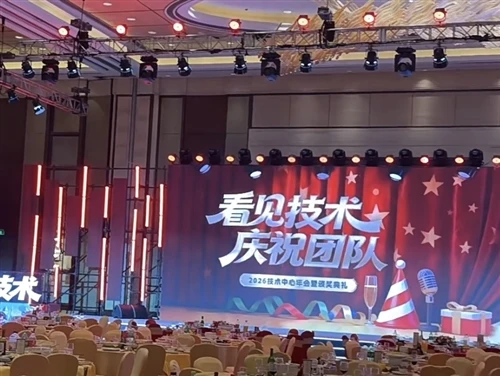
Stage LED rental screens are like a magician's ever-changing canvas on stage, their dazzling images instantly captivating the audience and enhancing the performance. However, to ensure this "canvas" remains in optimal condition and performs smoothly for every show, there are several aspects that require careful attention.
I. Pre-Deployment Check-up is Crucial: Transportation and Installation
Imagine a delicate electronic device traveling a long distance to the performance venue; it's bound to experience some "acclimatization issues." Therefore, a thorough inspection before official use is essential.
Handle with Care, Avoiding Bumps: LED rental screens are typically composed of multiple cabinets, each containing intricate circuitry and fragile LEDs. During transportation, professional packaging and cushioning materials must be used, handling them gently to avoid severe vibrations and impacts. Treat them with the same care as fragile items to ensure they arrive at the "battlefield" undamaged. Here's a complete guide to renting and setting up giant LED screens.
Stable Installation, Structural Safety First: Stage environments are complex and changeable, so ensuring the stability of the LED screen during installation is paramount. Choosing an experienced installation team is crucial. They will employ appropriate hoisting or ground support methods based on site conditions and repeatedly inspect connectors to ensure the screen won't wobble or tilt, avoiding safety hazards. This is like building a tall building; the foundation must be solid.
Power Supply First, Safe Electricity is Essential: LED screens are power-consuming devices, and a stable power supply is the cornerstone of their normal operation. Before installation, carefully check whether the power supply meets the screen's requirements and whether the power cord and socket are safe and reliable. Avoid overloading the circuit to prevent equipment failure or even safety accidents due to power problems.
II. Care During Operation is Essential: Operation and Maintenance: After the LED screen is successfully installed, we can't rest easy. Daily operation and maintenance are equally important, as they affect the screen's display effect and lifespan.
Timely Cooling, Keeping it "Cool": LEDs generate heat during operation; prolonged high-temperature operation will affect their performance and lifespan. Therefore, ensure good ventilation around the screen and avoid direct sunlight or proximity to heat-generating equipment. If necessary, install cooling devices to help the screen "cool down" and maintain optimal performance.
Gentle cleaning to remove "dust makeup": Stage environments often accumulate dust, which can affect the LED screen's display quality and even clog ventilation holes over time. Regular cleaning is necessary, but always use a soft, lint-free cloth to gently wipe the screen to avoid scratching it. Never spray liquids directly, as this can allow moisture to seep into the internal circuitry and damage it. Learn how to choose the right LED screen for your theater.
Stable signal and smooth picture are key: The display effect of an LED screen largely depends on the stability of signal transmission. Ensure reliable video signal cable connections to avoid loose connections or poor contact that could cause flickering, black screens, or other problems. Choosing suitable video processing equipment is also important; it optimizes signal output and ensures image clarity and smoothness.
Software coordination for a more immersive content presentation: The LED screen's control software is its "brain." Properly setting and operating the software allows for the best possible image display. Familiarize yourself with all the software's functions and adjust parameters according to performance needs, such as brightness, contrast, and color. Regularly check the software's operational status to avoid performance disruptions due to software malfunctions. Here is some information about nits brightness.
III. Proper Post-Retirement Maintenance: Disassembly and Storage After a performance, the LED rental screen also undergoes a "retirement" and "rest" process. Proper disassembly and storage prepare it for its next "service."
Proper Disassembly, Avoid "Forced" Actions: Disassembly should be performed by professionals, following the correct steps to avoid damaging the cabinet or connectors by force. Handle disassembled cabinets gently to avoid secondary impacts.
Proper Packaging, Moisture and Dust Prevention is Key: After disassembly, the LED screen should be packaged promptly using professional packaging boxes and shock-absorbing materials. The storage environment should be kept dry and well-ventilated to prevent moisture and dust from damaging electronic components. Ideally, regularly check the humidity and temperature of the storage environment to ensure it is "resting" under suitable conditions.
Regular maintenance to prevent problems before they occur: Even during storage, it is recommended to perform simple maintenance on the LED screen periodically, such as power-on checks, to ensure that all functions are normal. This is similar to car maintenance, allowing for the timely detection of potential issues and extending the equipment's lifespan.