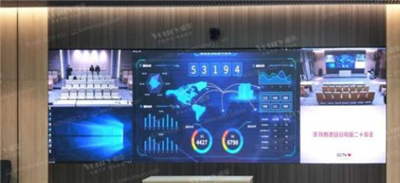
The impact of LED module parameters on the performance of a full-color LED display screen is mainly reflected in the following aspects:
I. Color Parameters
Monochrome Modules: Can only display a single color, which cannot be changed. They operate simply by connecting to a power source. Suitable for simple signage and indication scenarios, but cannot meet the requirements of full-color display, limiting their application in full-color displays.
True-Color Dot Modules: The color of each module can be controlled. When the number of modules reaches a certain level, the color dots can achieve the effect of displaying photos and videos. Full-color dot modules require a control system to achieve a full-color effect and are the key foundation for rich color display in a full-color LED display screen, directly affecting the color performance and image realism of the display screen.
II. Brightness Parameters
Brightness is a complex issue in LED displays. In LED modules, brightness usually refers to luminous intensity and transparency, which are related to the sum of the degrees associated with each module.
High Brightness: Allows the display screen to clearly display content in bright environments (such as direct sunlight outdoors), enhancing visibility. However, excessive brightness may cause eye discomfort and increase energy consumption and heat generation.
Brightness Uniformity: Large brightness differences between modules can cause uneven brightness and a "mosaic" effect on the display screen, affecting the overall display effect. Therefore, it is necessary to ensure consistent brightness across modules to guarantee a uniform image and natural color transitions on the full-color display screen.
III. Beam Angle Parameters: The beam angle of an LED module without lenses is mainly determined by the LED chips. Different LED chips have different beam angles, and the beam angle of the LED chips provided by the factory is usually the same as the LED module angle.
Beam Angle Size: This affects the viewing angle of the display screen. A larger beam angle allows the display to clearly show content over a wider area, suitable for large squares, stages, and other scenarios requiring a wide viewing range; a smaller beam angle concentrates the brightness in front, suitable for viewing at a distance or from a specific angle. In full-color displays, modules with appropriate beam angles must be selected based on the application scenario to achieve the best viewing effect.
IV. Operating Temperature Parameters: The operating temperature of LED modules is typically between -18℃ and 58℃. If the application scenario's temperature range exceeds this range, special measures are required, such as using air conditioning or exhaust fans to control the temperature within the normal operating range. Temperature's Impact on Performance: Excessive heat accelerates LED chip aging, reduces luminous efficiency, shortens module lifespan, and may cause color shift and brightness reduction in the display screen. Insufficient heat may affect the module's normal startup and operational stability. Therefore, maintaining a suitable operating temperature is crucial for the long-term stable operation of a full-color LED display.
V. Voltage Parameters: Voltage is a critical parameter for LED modules. Currently, 5V low-voltage modules are common. When connecting the power supply and control system, the voltage value must be verified as correct.
Impact of Abnormal Voltage: If the voltage exceeds the module's tolerance range, it may damage the module, such as burning out LED chips or causing driver circuit failure, thus affecting the normal operation of the entire display screen. Therefore, when installing and using a full-color LED display screen, it is necessary to ensure that the power supply voltage is stable and matches the module voltage.
VI. Dimensions: Dimensions generally refer to the length, width, and height of the module, representing the standard dimensions of a single module. In large-scale engineering projects, this parameter is more commonly used, as the required number of modules for the entire display screen needs to be calculated based on the module dimensions.
Impact of Dimensions on Installation: Module dimensions affect the overall layout and installation method of the display screen. Combining modules of different sizes allows for the splicing of displays of varying specifications, meeting diverse application needs. However, module size is related to the size of the connecting cables and must be customized according to specific circumstances to ensure stable and reliable connections and guarantee the normal operation of the full-color display.
VII. Waterproof Rating Parameters The waterproof rating is a crucial indicator for ensuring the long-term outdoor operation of LED modules. Generally, outdoor LED display modules need to achieve an IP65 waterproof rating.
Importance of Waterproof Rating: IP65 indicates that the module can prevent harmful effects from water sprayed from all directions, ensuring normal operation in harsh outdoor weather conditions (such as rain and high humidity), extending the module's lifespan, and guaranteeing the stability and reliability of the full-color display in outdoor environments. Insufficient waterproof rating may lead to water ingress and damage to the module, affecting the normal display.