Outdoor LED Video Displays' Principal Benefits
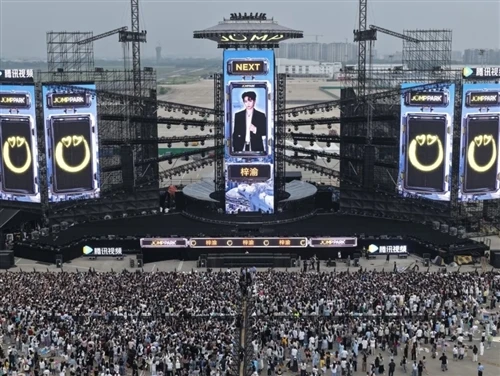
An LED video display works better than conventional billboards and projection systems in every quantifiable aspect in challenging outdoor conditions, such as direct sunlight, rain, dust, and long viewing distances.
Superior visibility during the day: Outdoor-rated displays provide 6,000 to 10,000+ nits, guaranteeing clear, vibrant visuals even in midday sun. This is the main reason why static posters on city squares and highways have been replaced by outdoor LED advertising displays.
All-weather durability: These screens are resistant to dust, heavy rain, and strong winds thanks to their IP65 or greater ingress protection. They significantly reduce weather-related downtime by operating dependably in temperatures between -20°C and +50°C.
Long lifespan and energy efficiency: Compared to traditional designs, advanced common-cathode driver technology reduces power consumption by 30–40%. They are perfect for round-the-clock commercial use because their typical lifespan surpasses 100,000 hours.
Real-time content updates: Without human intervention, content can be distributed remotely over network connections, allowing for dynamic scheduling, such as morning breakfast advertisements, lunchtime promotions, and evening event announcements.
Unique Qualities of LED Outdoor Video Displays
Numerous mechanical and aesthetic features of outdoor LED video display systems have a direct impact on pricing and choices.
Larger pixel pitch for long-distance viewing: Pitches of P4 to P10 (mm) are frequent because viewers are usually far away. While maintaining sufficient resolution at a distance, a greater pitch significantly reduces cost.
Sturdy construction: cabinets are made of aluminium or galvanized steel with sealed power and signal connectors, and modules are completely enclosed with waterproof adhesive. This guarantees long-term outdoor performance free from internal corrosion.
Intelligent thermal management: In order to prevent brightness degradation and LED chip failure during hot summers, high-power outdoor screens use built-in fans or air conditioners.
Modular front or rear maintenance: It is possible to replace malfunctioning modules one at a time without taking down the wall as a whole. For hanging installations, front-maintenance models save a ton of time by enabling repairs from the viewing side.
Appropriate Outdoor LED Video Display Usage Guidelines
When installing and using your LED video display, make sure to adhere to these useful guidelines for optimal performance and endurance.
A trustworthy guideline is to match pixel pitch to viewing distance: minimum viewing distance (in meters) ≈ pixel pitch (mm) times 1.5. A P6 screen, for instance, is ideal for roadside billboards along highways since it can be seen clearly from a distance of nine meters.
Because outside screens are hefty, make sure they are structurally sound. A structural engineer should always design the steel framework and foundation with appropriate lightning-earthing systems and wind-load resistance of at least 12.
Plan your power and signal cabling. For video signals, use fibre optics or shielded network cables. To prevent damage from inrush current, install a special power distribution cabinet with a sequential start-up feature.
Optimize content for outdoor viewing by utilizing large graphic elements, bold fonts, and high contrast colours. Steer clear of small lettering and thin lines as they become unreadable from a distance.
Crucial Safety Measures for LED Video Displays Outside
These practical factors are crucial for long-term performance yet are frequently disregarded, even in robust engineering.
Steer clear of running at maximum brightness all the time as this speeds up the aging process of LEDs. During the night or on cloudy days, lower the brightness to 50–70% to prolong the life of the panel by years.
Regular cleaning of the waterproof coating is necessary since dirt, dust, and bird droppings obstruct heat dissipation and damage surfaces. Never use a high-pressure washer directly; instead, clean carefully every quarter using a soft brush and low-pressure water.
Protect yourself from signal interference because outdoor spaces are noisy with electricity. You might witness flashing or "snow" on the screen if you don't use adequately shielded wires and make sure you're grounded.
Keep extra modules on hand by buying five to ten percent more from the same manufacture batch. This prevents mismatched patches by guaranteeing colour and brightness matching when replacements are later required.
FAQ (three brief questions)
Q1: Is it always preferable for outdoor displays to have a lower pixel pitch?
No, a smaller pitch is more expensive and only useful for up-close viewing. A bigger pitch still produces crisp images and is more economical for viewers who are farther away.
Q2: Can LED screens outside be used securely when it's raining a lot?
Yes, as long as they are properly fitted with appropriate earthing, authentic outdoor models have IP65+ certifications with sealed connectors and power supply.
Q3: How frequently should I adjust the colours?
It is advised to perform a complete brightness and colour calibration once a year. To ensure consistency, calibrate right away if you replace any modules.