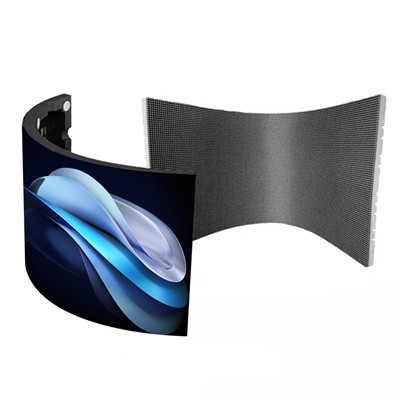
Many professionals in advertising, events, command centers, and digital signage still wrestle with the same question when planning a new installation: which display technology actually delivers the performance needed without hidden headaches down the road? LED screens have surged in popularity for large-scale projects, yet confusion persists about how they stack up against established LCD systems and the newer OLED options.
At the heart of the matter lies a simple difference in how light is created. LED screens use arrays of light-emitting diodes that shine directly-each pixel lights up on its own, giving precise control over brightness, color, and contrast without any extra layers getting in the way. LCD displays, by contrast, depend on a constant backlight shining through liquid crystals that twist to block or pass the light, so the crystals themselves never produce illumination. OLED technology takes a different route: organic compounds emit light when electricity flows through them, allowing every pixel to turn on and off independently for perfect blacks and smooth gradients. In practice, this self-emissive nature makes OLED stunning in small, high-end devices, but it also introduces challenges like shorter overall lifespan and potential burn-in under constant use.
Color performance tells another clear story. LED screens routinely reach color gamuts above 118 percent, producing vibrant, lifelike hues that hold up especially well under bright ambient light or when showing dynamic video content. OLED matches or slightly exceeds this range while delivering exceptional contrast, yet LCD panels typically sit between 72 and 92 percent, often leaving darker scenes looking flatter and less detailed. For anyone who has stared at a wall of displays for hours, the difference in color depth and uniformity becomes obvious right away.
When it comes to building truly massive visuals, splicing capability separates the technologies fast. LED screens snap together seamlessly into any size or shape with no visible lines, which is why they dominate stage backgrounds, outdoor billboards, and creative installations where flexibility matters. LCD splicing screens achieve narrow bezels-sometimes under a centimeter-but still create faint seams that can break the illusion in critical viewing situations unless extra processing is applied. OLED offers similar seamless potential in theory, yet high production costs keep it rare for big commercial walls.
Experience in the field shows that real decisions often hinge on environment and daily demands. Indoor 24/7 control rooms and monitoring centers frequently favor LCD splicing systems for their rock-solid stability, lower long-term maintenance, and lifespans that easily exceed 60,000 hours with almost no dead-pixel issues. Small-pitch LED screens have closed the gap dramatically in recent years and now deliver indoor clarity that rivals LCD while adding advantages in brightness uniformity and creative layouts. Outdoor or high-ambient-light projects, however, almost always point toward LED screens because they handle direct sunlight, extreme temperatures, and weather exposure far better than the alternatives.
A few practical checkpoints help avoid costly mistakes. Always match pixel pitch to actual viewing distance-finer pitches eliminate any graininess up close, but overspending on ultra-fine indoor LED when viewers stand farther away wastes budget. Checking module quality and thermal design upfront prevents uneven brightness or color shift years later. For hybrid or mixed setups, understanding substrate choices in LCD components (such as LTPS for sharper, more efficient panels) can clarify why certain systems feel premium, yet LED bypasses many of those layers entirely by lighting directly.
In the end, the smartest choice comes down to matching the technology to the exact location, usage hours, content type, and budget rather than chasing the newest label. As LED screen technology keeps advancing-especially with Mini and Micro LED breakthroughs-the options for stunning, reliable large-format visuals continue to expand. Leading LED screen solutions now make it easier than ever to create displays that perform exactly where and how they are needed.