The LED crystal film screen is a prominent representative of next-generation transparent screen technology. Its ultra-thin design, high transparency, excellent flexibility, and easy installation make it an innovative product in the transparent display field.
I. Technical Principles and Structural Features
Bare Chip Ball Technology and Transparent Crystal Film Film: The LED crystal film screen utilizes bare chip ball technology, using a transparent crystal film film as the substrate for the LED panel. A transparent mesh circuit is etched onto the surface, and components are mounted before vacuum sealing. This design results in extremely high transparency and bright, vibrant images.
Flexibility and Cutting Capability: The product boasts superior flexibility compared to traditional transparent screens, allowing for arbitrary rolling. During installation, it is directly adhered to the inside of the glass and can be cut to fit specific glass dimensions without damaging the building structure or affecting indoor lighting.
Circuit Board Design Scheme:
Integrated Lamp and Driver IC:The LED lamp and driver IC are packaged together, avoiding screen distortion caused by inductive effects. This design is suitable for scenarios with large pixel pitch.
Separate Lamp and Driver IC: The LED lamp and driver IC are located on separate PCB boards and connected via pin headers. This solution is suitable for scenarios involving plug-in LEDs, small pixel pitch, or requiring optimized heat dissipation. It increases wiring area and prevents driver IC heat from affecting LED color.
II. Advantages and Applications of the Separate Lamp-Driver Solution
Technical Necessity: Plug-in LED limitations: Lamp pins affect the placement of the driver IC on the back, requiring a separate design. Pixel Pitch Optimization: Small-pitch display PCB routing is limited; a separate design expands wiring space. Heat Dissipation Requirements: Under high-density LEDs, heat from the driver IC easily transfers to the LEDs, causing color deviation; a separate design isolates the heat source. Industry Trends: Most companies have shifted from integrated lamp-driver to separate lamp-driver solutions to reduce screen temperature, improve control redundancy, and enable the integration of intelligent technologies.
III. Application Scenarios and Market Potential
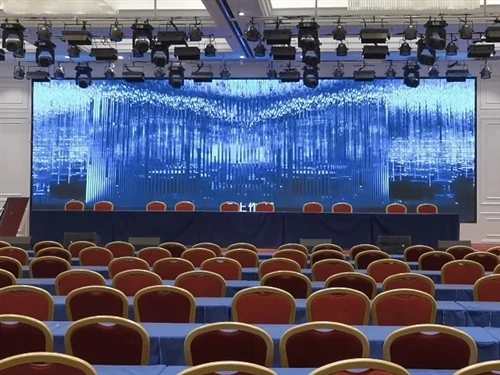
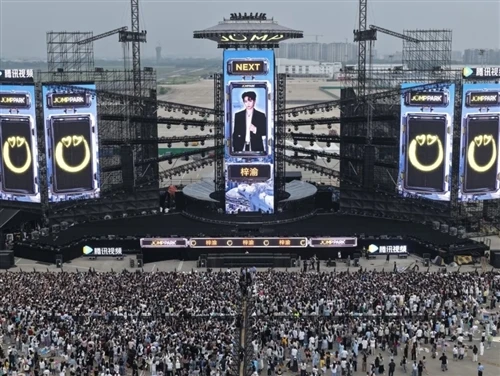
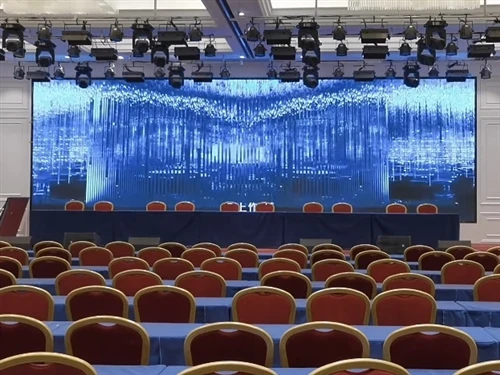
Commercial Display: Used in shop windows, stage backdrops, etc., combining transparency and dynamic display to attract audience attention. Advertising: Replaces traditional light boxes, supports high-definition video playback, and enhances advertising interactivity and visual impact. Home Decoration: Serves as a transparent display screen for glass partitions or windows, combining decorative and information display functions. Future Expansion: With technological advancements, LED crystal film screens are expected to play a greater role in fields such as smart buildings and automotive displays, for example, by integrating with IoT technology to achieve dynamic environmental interaction.
IV. Comparative Advantages with Traditional Transparent Screens
Structural Innovation: Breaking through the traditional framework concept, flexibility and cutability are significantly improved.
Installation Ease: Direct adhesive design simplifies the construction process and reduces reliance on building structures.
Display Effect: High transmittance and bright color reproduction, adaptable to complex lighting environments.
Adaptability: The lamp-drive separation solution supports smaller pixel pitch and higher density displays, meeting refined requirements.
Summary: Through technological innovation and structural optimization, LED crystal film screens have redefined the application boundaries of transparent displays. Their flexible installation methods, efficient heat dissipation design, and wide range of application scenarios make them an important development direction in the transparent screen market, and they are expected to drive the evolution of display technology towards greater intelligence and integration in the future.