I. Comparing the Fundamental Benefits of LED and IPS Displays
1.1 IPS Displays' Principal Benefits
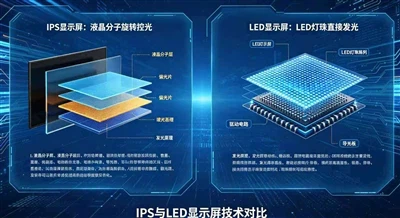
Wide viewing angles are the main benefit of IPS displays, which prioritize color performance and visual experience (Note: Flat panel hard screen, mainstream LCD panel technology, relying on the lateral deflection of liquid crystal molecules to achieve picture projection). The image color, brightness, and clarity will not exhibit noticeable color shift, whitening, or distortion whether viewed from the front, side, or obliquely above, and the viewing angle can exceed 178°. In addition, it offers exceptional eye protection performance, precise color reproduction, delicate image transitions, remarkable control over dynamic image ghosting, and increased visual comfort for extended viewing.
In terms of panel stability, the IPS hard screen surface is more resilient to pressure; regular contact and light pressure won't generate water ripples, making it long-lasting and appropriate for a variety of indoor use situations. It is the best option for showcasing high-quality photographs indoors since it favors image quality overall.
1.2 LED Displays' Principal Benefits
High brightness, big size adaptation, and environmental adaptability are the main benefits of LED displays (Note: Display devices using light-emitting diodes as pixel units, separated into indoor LED screens and outdoor large LED screens). Their brightness is far higher than that of conventional LCD screens, guaranteeing unobstructed visibility even in intense outdoor light.
Ultra-large full-screen displays are made possible by the infinite splicing and combination capabilities of LED screens. Additionally, screen shapes-including curved and irregular shapes-can be altered, providing remarkable versatility in spatial organization. Additionally, LED panels are ideal for large-scale, long-distance, and all-weather display applications due to their extended lifespan, good visibility at long distances, and reasonable power consumption control.
II. A Comprehensive Description of the Features of Two Kinds of Display Items
2.1 Key Features of IPS Displays
IPS is a type of LCD display. Their sizes are mostly concentrated in small and medium sizes, and they are typically thin and light, mostly in the shape of traditional flat displays. Computer monitors, laptop screens, home TVs, tablets, and other gadgets frequently have them. It is appropriate for situations needing great color accuracy because of its extensive color gamut coverage, rich color gradation, and outstanding color depth.
Mid-to-high-end IPS screens can handle the demands of dynamic visuals, and response speed has been consistently enhanced by technical advancements. However, their ultimate brightness is not as high as that of LED screens because of the limits of liquid crystal imaging processes. Additionally, standard IPS panels are all fixed, integrated displays that are only suitable for standalone single-screen use and have limited size extension potential due to their inability to be disassembled and spliced.
2.2 Key LED Display Product Features
With each pixel producing light independently, LED displays have a self-emissive imaging structure that produces pure, light-leak-free black levels and outstanding contrast. Products come in modular splicing structures that let you freely combine different modules of any size or shape. While outdoor LED panels can resist challenging outside conditions including wind, rain, and temperature fluctuations, indoor LED screens are only moderately bright.
Pixel pitch makes it inappropriate for close-up viewing since it gives the image a grainy appearance. Although its professional color accuracy is lower than that of IPS panels and its fine color processing skills are inadequate, color calibration tends toward high saturation and produces a strong visual impact at long distances.
III. Distinctions Between IPS and LED Displays in Real-World Uses
3.1 Use and Scenarios of IPS Display Applications
IPS displays are mostly utilized in indoor close-range situations because they combine the features of a broad viewing angle, excellent color accuracy, and comfortable close-range viewing. IPS displays are the best option for computer office work, daily leisure, and watching TV shows and movies at home. IPS screens are necessary to guarantee color fidelity in professional domains with stringent color standards, such as graphic design, video editing, and picture retouching.
In order to balance viewing angle and dynamic image effects, esports players frequently select high refresh rate IPS gaming panels. They don't require complicated assembly and can be positioned or suspended as separate, standalone screens. To function regularly, just connect a power supply and a signal source. They are easy to use and appropriate for common interior spaces including homes, workplaces, and studios.
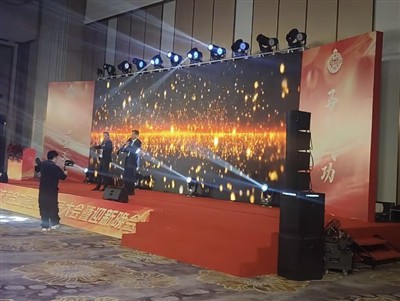
Large-scale, long-distance, and public display scenarios are the primary applications for LED displays. LED screens are extensively utilized in the outdoor industry for traffic guidance screens, plaza screens, commercial street advertising screens, and outdoor advertising screens at events. LED splicing screens are also used for large-screen presentations in expansive indoor environments including shopping mall atriums, hotel lobbies, conference room huge screens, stage backdrops, and exhibition hall display walls.
Splicing modules must be assembled in accordance with the venue's size and form specifications during operation, and a specialized control system must be used to modify the image. Rarely utilized as a personal desktop or a single screen for home watching, it is best suited for settings with significant pedestrian activity and great viewing distances. It is mostly used for information transmission, advertising, and mood creation.
IV. Precautions for Selection and Use
4.1 IPS Display Screen Selection and Usage Guidelines
Color gamut, color accuracy, and refresh rate criteria should be given top priority while making a purchase. While gamers should concentrate on high refresh rate models, designers should select professional-grade IPS displays with a wide color spectrum. Even though IPS panels are resistant to pressure when in use, keep sharp objects away from the screen's surface.
It is advised to moderately adjust the brightness for everyday use and refrain from continuous use at excessively high brightness levels. This will improve eye protection and increase the screen's lifespan. In the meantime, to avoid LCD ghosting, don't show the same static image for long.
4.2 Considerations for Purchasing and Using LED Display Screens
Consider waterproof, dustproof, and lightning protection ratings when buying outdoor LED screens, and choose the right protective standards depending on the installation situation. Prioritize pixel pitch for indoor LED screens; the closer the viewing distance, the lower the pixel pitch to minimize graininess.
Professionals are required to do wiring, splicing, and system troubleshooting during installation. It is completely forbidden to disassemble modules without authorization. Check the wiring and casing seals frequently when using outdoor equipment to avoid rainfall harming parts. When not in use for a long time, turn off the electricity and take appropriate precautions against dust. Furthermore, close-up direct viewing of LED panels can easily induce eye strain due to their intense brightness; whenever possible, keep a standard viewing distance.
V. Frequently Asked Questions
How can one decide between LED and IPS displays for use at home?
Prioritize IPS displays for computer use, office work, close-up watching, and home use. Select an LED display if you require a sizable indoor display screen or an outside advertising display.
For workplace screens, should I go with LED or IPS?
Because of its wide viewing angles, natural colors, and eye-friendly design-especially when used for lengthy periods of time-IPS screens are the usual option for desktop office use. LED video walls can be used in big conference halls with enormous screens.
How do these two kinds of displays compare in terms of their aesthetically pleasing effects?
While LED screens are brighter and can be dazzling when viewed up close, making them more appropriate for watching from a distance, IPS screens, at the same brightness, provide a gentler viewing experience and better eye protection at close range.