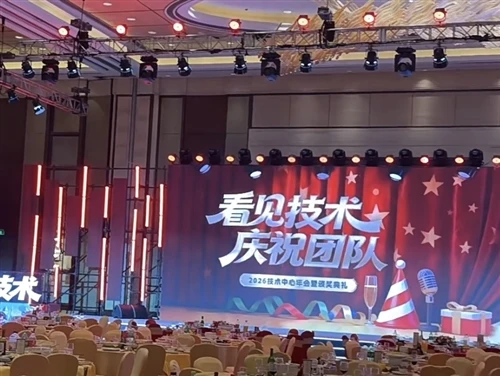
Indoor LED Display Screen Price: A Guide to the Cost Factors
Investing in an indoor LED display is a significant financial commitment. The indoor led display screen price can vary substantially, with costs ranging from a few hundred to tens of thousands of dollars. Understanding what drives these price differences is essential for creating a budget that aligns with your project's goals. The final indoor led screen price you pay is not just for the panels; it's the sum of several key components and services.
The Primary Drivers of Indoor LED Screen Cost
The single largest factor affecting the led screen indoor price is the technology itself. Here are the primary cost components to consider.
Pixel Pitch: This is the most significant price determinant. A smaller pixel pitch (e.g., P1.2, P2.5) means more LEDs per square meter, resulting in a sharper image for close viewing. This also means a higher manufacturing cost. An indoor led display price for a high-resolution P2 screen will be much higher than for a lower-resolution P4 or P5 screen. Therefore, matching the pixel pitch to your viewing distance is the most impactful way to manage your indoor led screen cost.
Screen Quality and Componentry: Not all LED components are created equal. The quality of the LED chips themselves, the power supplies, and the driving ICs (integrated circuits) can influence both the initial led display indoor price and the long-term reliability. Higher-quality components generally cost more but are expected to have a longer operational lifespan and better color uniformity.
Cabinet and System Design: The physical design of the cabinet also plays a role. Slimmer, lighter cabinets that are easier to install and maintain may have a higher upfront cost. Additionally, the control system, including the required hardware and software for managing the screen, is an integral part of the total cost.
The Total Cost of Ownership (TCO)
Looking beyond the initial indoor led screen price is important for making a sound investment. The total cost of ownership includes:
Installation: For large or complex installations, the labor costs for mounting, rigging, and wiring the screen can be substantial. Professional installation ensures safety and optimal performance.
Maintenance: While LED displays are generally reliable, maintenance is a factor. This includes the potential cost of replacing faulty modules over the screen's lifetime.
Electricity: Power consumption is an ongoing operational expense. While LED technology is relatively energy-efficient, a large screen running for extended periods will add to your electricity bill.
H2: Cost Considerations in a Nutshell
| Cost Category | Impact on Price | Key Consideration |
|---|---|---|
| Pixel Pitch | Very High | A P1.2 screen is significantly more expensive than a P5 screen. |
| Screen Size | High | Larger screens are more expensive due to more materials and modules. |
| Component Quality | Medium | Premium components are priced higher but may offer better longevity. |
| Installation | Medium-High | Complex installations and site conditions can increase labor costs. |
| Control System | Medium | A powerful media server and processing hardware can add to the total. |
Summary
Determining the indoor led display screen price requires a clear-eyed assessment of your specific needs. The most effective way to control costs is to select the right pixel pitch for your viewing distance-there's no need to pay for a resolution that the human eye cannot perceive from a distance. It's also crucial to get a comprehensive quote that includes not just the panels, but also the cost of installation, the control system, and a reasonable estimate for ongoing maintenance. By carefully considering these factors, you can ensure that your indoor led screen cost is aligned with your project's requirements and delivers the best possible value over its lifespan.
Frequently Asked Questions (FAQ)
Q1: What is a typical price range for an indoor LED display screen?
A: The price range is very wide, as it is highly dependent on key factors like size, pixel pitch, and brand. A small, budget-friendly sign could cost a few hundred dollars, while a large, high-resolution video wall for a corporate lobby can cost tens of thousands or more.
Q2: Why are smaller pixel pitch LED screens so much more expensive?
A: A smaller pixel pitch means there are more LEDs packed into every square meter. This significantly increases the material cost and the manufacturing complexity, resulting in a higher price for the higher resolution it provides.
Q3: Is it cheaper to buy an indoor LED display online?
A: While online retailers can be competitive, it's vital to verify the specifications, warranty, and after-sales support. The lowest price may not represent the best value if it comes with lower quality components or poor support.
Q4: What additional costs should I expect beyond the screen itself?
A: You should budget for the shipping and handling of the heavy cargo, professional installation and rigging, the media player or control system, and any necessary structural modifications to your building to support the screen's weight.
Q5: Can I negotiate the price of an indoor LED screen?
A: For larger, custom projects, there is often some room for negotiation, especially if you are purchasing a complete system including installation and a service contract. It is always a good practice to get quotes from multiple suppliers to compare pricing and value.