Application Scenarios
1. Commercial Display and Retail
• Window Advertising: Dynamic advertisements are overlaid on the glass windows of shopping malls and brand stores, combining physical displays with digital content to enhance marketing effectiveness (e.g., clothing stores displaying videos of models walking the runway).
2. Architectural Curtain Walls and Space Design
• Glass Curtain Walls: Advertisements or artistic content are displayed on the glass exterior walls of office buildings and shopping malls, maintaining the building's transparency during the day and transforming into giant dynamic advertising screens at night.
• Interior Partitions: Transparent partitions used in exhibition halls, hotels, and other spaces to separate areas while displaying information or artistic images.
3. Stage and Exhibitions
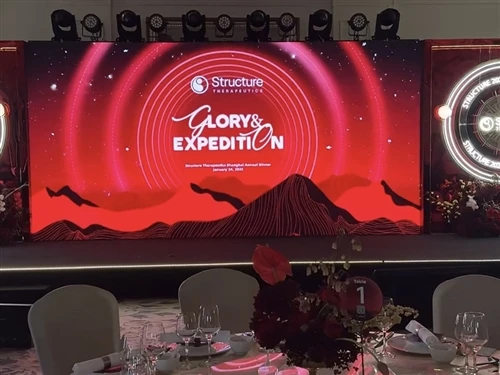
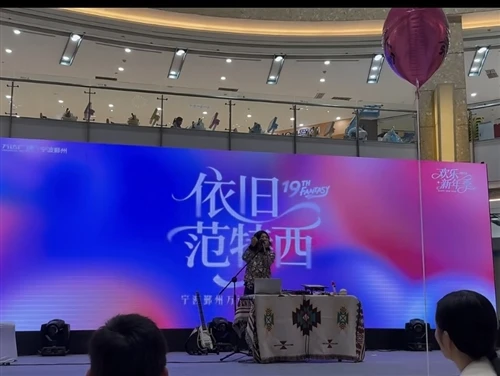
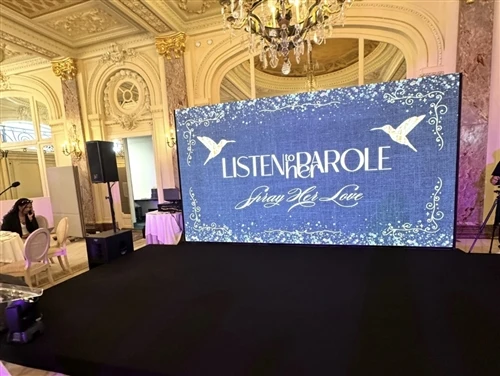
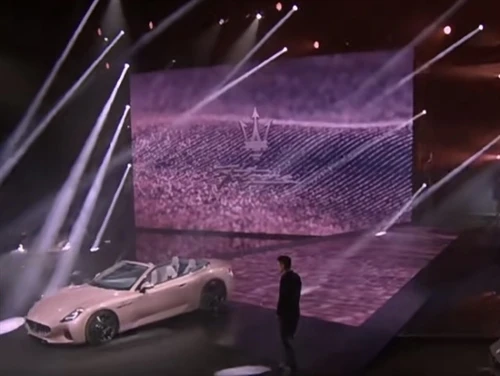
• Stage Backdrops: Used as transparent screens in concerts and press conferences, creating a sense of depth with lighting (e.g., displaying special effects while revealing dancers behind them).
4. Transportation and Public Services
• Subway/Airport Information Screens: Installed on glass platform screen doors, displaying real-time train schedules and advertisements without obstructing passengers' view of train arrivals.
5. High-End Residences and Hotels
• Art Decoration: Transparent screens in lobbies or corridors continuously display digital artworks, enhancing the space's ambiance.
Advantages Compared to Traditional LED Screens
• Space-Friendly: Does not obstruct views or light, suitable for modern buildings with dense glass structures.
• Aesthetically Pleasing: Nearly invisible when powered off.
• Scene Integration: Displayed content can be overlaid with elements such as products or buildings, creating a visually immersive experience.
Summary
Transparent LED displays, with their transparency, lightweight design, and high adaptability, have become an ideal choice for digital transformation in commerce, architecture, and cultural tourism. They not only resolve the conflict between traditional displays and spatial design but also pioneer new visual communication methods through interactive functions, showing great potential in smart cities, metaverse, and other scenarios in the future.