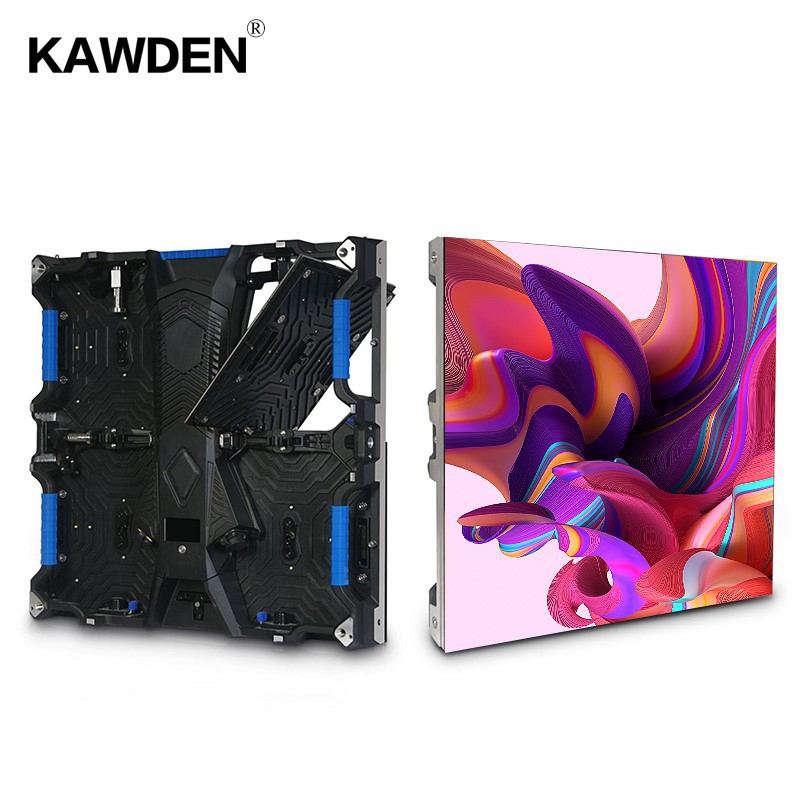
In today's era of rapid development in digital advertising and information dissemination, high-brightness LED screens have become the mainstream display equipment for outdoor media, commercial plazas, transportation hubs, and other venues. Compared to ordinary LED displays, high-brightness LED screens offer superior visibility and environmental adaptability, making them a crucial solution to poor display performance under strong light interference. This article will delve into the value and prospects of high-brightness LED screens from the perspectives of technical characteristics, application scenarios, and market trends.
A. What is a High-Brightness LED Screen?
A high-brightness LED screen refers to a display product with a brightness value significantly higher than that of ordinary indoor LED screens. Generally speaking:
Indoor LED screen brightness is between 800-1500 nits;
Ordinary outdoor LED screen brightness is between 3000-5000 nits;
High-brightness LED screens can reach 6000-10000 nits or even higher.
This high-brightness design allows the LED screen to remain clearly visible even in direct sunlight or strong light environments, ensuring that information is not overlooked.
B. Core Advantages and Technical Features
Superior Sunlight Readability
In outdoor environments, especially under midday sunlight, ordinary LED screens tend to appear "grayish" or "whitish," affecting the viewing experience. High-brightness LED screens, with their high lumen output, ensure clear display all day long. We provide outdoor LED display solutions.
Intelligent Brightness Adjustment Technology
Modern high-brightness LED screens are typically equipped with an automatic light-sensing system that intelligently adjusts brightness according to the surrounding lighting environment, saving energy and extending lifespan.
High Protection Rating
Most high-brightness LED screens are IP65/IP66 waterproof and dustproof, capable of stable operation in harsh outdoor environments such as wind, rain, high temperature, and high humidity.
Energy-Saving Power Supply
Utilizing a high-efficiency constant current power supply solution, energy consumption is controlled while ensuring high brightness output, saving users electricity costs.
C. Typical Application Scenarios
Urban Outdoor Billboards: Such as large building facades, highway side LED billboards, etc.;
Traffic Guidance Screens: Airports, train stations, and highway toll stations require 24-hour information display; We analyze the outdoor traffic LED display market: case studies and advantages.
Shopfront Displays: Retail stores and chain brands are installing high-brightness LED screens on the inside of their store windows to enhance their appeal.
Stage Performances and Large-Scale Events: Strong stage lighting or outdoor performance environments require higher brightness to ensure visual impact.
D. Market Trends
According to data from market research firm GrandView Research, the global outdoor LED display market is expanding at a compound annual growth rate of approximately 13.5%, with high-brightness LED screens, as a core sub-category, experiencing even more significant growth. Demand for high-brightness products continues to rise, particularly in regions with strong sunlight and abundant sunshine, such as the Middle East, Southeast Asia, and Africa.