Flexible LED Screen: The Ultimate Guide to Curved and Shaped Displays
If you are designing an immersive retail environment, a creative stage set, or an architectural feature that defies conventional flat screens, you may be wondering whether a flexible LED screen can deliver the visual impact you need. The core questions usually center on durability, bendability, and whether the image quality matches traditional flat panels. This guide explains what makes a flexible LED display different, where it excels, and what to consider when purchasing one.
What Is a Flexible LED Screen?
A flexible LED screen is a display that uses specially designed circuit boards and interconnects to allow the screen to bend, curve, or fold without damaging the LEDs or compromising image quality. Unlike rigid LED panels that are mounted on stiff aluminum or steel frames, flexible LED display screens use soft substrates-often polyimide or similar materials-that can conform to cylindrical, concave, convex, or even wavy surfaces.
The LEDs themselves are typically surface-mount device (SMD) components, which are small enough to be placed on flexible circuit boards. Some advanced designs use chip-on-board (COB) technology for added protection and thermal management. The key advantage of a flexible led screen is its ability to transform previously unusable surfaces-columns, arches, curved walls-into dynamic visual displays, opening up creative possibilities that flat screens cannot match.
Where Are Flexible LED Screens Used?
Retail and Brand Environments
In retail, a flexible LED display screen is increasingly used to create immersive brand experiences. Curved screens wrap around columns in flagship stores, guiding customers through a narrative journey. At product launch events, flexible LED display screens form circular or undulating backdrops that complement the brand's aesthetic and create a memorable visual statement.
Luxury brands, in particular, use flexible LED screens to convey innovation and exclusivity. The seamless curved surface eliminates the hard edges of traditional displays, creating a more organic and inviting atmosphere. These installations often incorporate high-resolution flexible screens to show detailed product imagery and cinematic videos that engage shoppers on an emotional level.
Entertainment and Stage Design
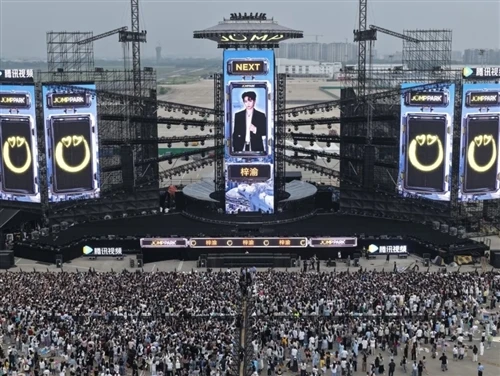
Concerts, theater productions, and live events are natural habitats for the flexible LED screen. Stage designers use curved and shaped flexible LED displays to create immersive backdrops that wrap around performers or extend across the ceiling. The flexibility allows screens to follow the contours of the stage, creating a cohesive visual environment that would be impossible with rigid panels.
Music festivals and touring shows also benefit from the modular nature of flexible LED display systems. These screens can be assembled into various configurations and reconfigured for different venues, providing creative versatility without requiring entirely new equipment for each tour. The relatively lightweight construction of flexible screens also reduces transportation and rigging costs.
Architectural and Public Art Installations
Architects and artists use flexible LED screens as dynamic building facades, interactive sculptures, and public art installations. A flexible LED display screen can wrap around the exterior of a building, creating a digital canvas that changes throughout the day-displaying art, advertisements, or public information. Inside buildings, flexible screens can follow the curves of atriums, staircases, or domed ceilings.
These architectural applications often require the flexible LED screen to be weatherproofed and structurally integrated into the building design. The ability to conform to irregular surfaces allows architects to incorporate digital displays without compromising their design vision, turning the display itself into a design element rather than an add-on.
Transportation and Automotive Displays
The automotive industry uses flexible LED screens for interior and exterior applications. Inside vehicles, flexible LED displays can form curved dashboard screens or wrap-around infotainment panels that follow the contours of the cabin. Exterior applications include flexible LED screens integrated into bus bodies, train carriages, or even the exterior panels of concept vehicles for show displays.
Trade shows and auto expos frequently feature flexible LED display screens on rotating car platforms, where the screen wraps around the display to provide 360-degree product presentations. These applications demand high brightness and wide viewing angles to ensure visibility from all perspectives.
Key Factors to Consider When Choosing a Flexible LED Screen
Selecting a flexible LED screen involves unique considerations beyond those of flat displays. Here are the most important factors.
Bending Radius and Flexibility
The minimum bending radius is the most critical specification for a flexible LED screen. This is the tightest curve the screen can form without damaging the LEDs or circuit connections. A smaller bending radius indicates greater flexibility, allowing for tighter curves and more creative shapes. Typical flexible LED display screens can achieve bending radii from a few centimeters to over a meter, depending on the design.
It is important to note that bending radius often comes with trade-offs. Screens with very tight bending radii may have lower pixel density or less robust protection. For most architectural applications, a moderate bending radius is sufficient-columns are rarely tighter than a few centimeters. Always verify that the flexible LED screen's bending radius matches your intended curvature before purchasing.
Pixel Pitch and Resolution
Flexible LED display screens are available in a range of pixel pitches, from fine pitches suitable for close viewing to larger pitches for distant audiences. However, achieving very fine pixel pitches on flexible substrates is more challenging than on rigid panels, so high-resolution flexible screens may be more expensive and less common.
For applications where viewers are close-such as retail window displays or museum exhibits-a smaller pixel pitch (P1.5 to P3) is generally recommended. For large architectural installations where viewers are farther away, a larger pitch (P4 to P10) may be sufficient. The relationship between viewing distance and pixel pitch remains the same as for any LED display: the viewing distance in meters roughly corresponds to the pitch in millimeters.
Durability and Surface Protection
Flexible LED screens are often used in high-traffic or interactive environments where they may be touched or bumped. The surface protection is therefore an important consideration. COB technology, which encapsulates the LEDs in a protective layer, provides better impact resistance and protection against dust and moisture than traditional SMD designs. Some flexible LED display screens also include an additional protective film or coating.
For outdoor applications, ensure the flexible LED screen has an appropriate IP rating for dust and water resistance. While many flexible screens are designed for indoor use, outdoor-rated versions are available with higher weatherproofing and UV resistance. These outdoor flexible LED display screens typically have a thicker protective layer and more robust sealing.
Installation and Support Structure
Installing a flexible LED screen requires careful planning of the supporting structure. Unlike flat screens that can be mounted on simple frames, curved installations need custom structural supports that match the intended shape. The support structure must hold the flexible LED display screen securely while maintaining the curve, without putting stress on the flexible circuit boards.
Many manufacturers offer installation services or provide detailed mounting guidelines. It is advisable to work with experienced installers who have handled flexible LED screens before, as improper installation can lead to image distortion or premature failure. Also consider access for maintenance-some flexible screens can be serviced from the front, others require rear access depending on the mounting configuration.
Comparative Overview: Flexible vs. Standard LED Screens
| Feature | Flexible LED Screen | Standard Rigid LED Screen |
|---|---|---|
| Shape | Curved, concave, convex, or custom | Flat only |
| Minimum Bending Radius | As small as a few centimeters | None (rigid) |
| Mounting Surface | Columns, arches, curved walls | Flat walls or frames |
| Weight | Generally lighter | Heavier due to rigid frame |
| Pixel Pitch Range | Typically larger (P2.5+) | Available in very fine pitches (P0.9+) |
| Cost | Higher for the same pitch and size | Lower for equivalent specifications |
Summary and Practical Recommendations
A flexible LED screen offers unique creative possibilities for designers, architects, and event producers who want to break free from flat displays. To make the right choice, start by defining the curvature you need-this will determine the required bending radius and guide your selection of flexible LED display screens. Next, consider the viewing distance to select an appropriate pixel pitch, and assess the environmental conditions for brightness and durability requirements.
We recommend requesting samples or visiting installations to see a flexible LED display screen in action, as the visual quality and curvature effects can be difficult to evaluate from specifications alone. Work closely with the manufacturer or an experienced integrator for installation and support, as improper handling can damage the flexible components. With careful planning and professional installation, a flexible LED screen can become a stunning centerpiece that transforms any space.
Frequently Asked Questions (FAQ)
1. Can a flexible LED screen bend in both directions?
Some flexible LED displays can form both concave and convex curves, while others are designed for unidirectional bending. Check the manufacturer's specifications for the bending direction and ensure it matches your design requirements. Some advanced flexible LED screens can even form complex S-curves.
2. How durable is a flexible LED screen?
Durability varies by design. COB-based flexible LED display screens generally offer better impact resistance than SMD-based designs. For high-traffic applications, look for flexible screens with additional protective coatings or films. Proper installation and handling are essential to prevent damage to the flexible circuit boards.
3. Can a flexible LED screen be rolled up for storage?
Some portable flexible LED display screens are designed to be rolled for transport, similar to a carpet. However, not all flexible screens support repeated rolling-some are designed for one-time installation with a fixed curve. Always check the manufacturer's specifications for maximum allowable bending cycles.
4. What is the typical lifespan of a flexible LED screen?
Flexible LED display screens have a comparable lifespan to rigid LED screens, with gradual brightness degradation over time. The flexible circuit components may have a shorter operational life if subjected to repeated bending, so they are generally best suited for fixed installations or occasional reconfiguration rather than daily rolling.
5. Are flexible LED screens more expensive than standard screens?
Generally, yes. Flexible LED display screens require specialized materials and manufacturing processes, which increases the cost compared to standard flat panels of similar resolution and size. The price premium varies by brand and technology, but it is often justified by the unique design possibilities they offer.