Power Consumption of LED Screens: This is not a fixed value, but is influenced by various factors, including brightness, size, display content, and LED technology. Only by understanding these variables can we more accurately assess actual power consumption and choose truly efficient LED display solutions.
Brightness is a Key Factor Affecting LED Screen Power Consumption
Brightness is the biggest factor affecting LED screen power consumption. The higher the screen brightness, the greater the workload of the LED beads, and the higher the power consumption. Especially outdoors, where the screen needs to withstand strong sunlight, the brightness is often adjusted very high, and the power consumption increases accordingly.
Size and Resolution of Energy-Efficient LED Screens
The size and resolution of an LED screen are directly related to the number of LED beads. Larger screens require more LEDs to display images, which naturally leads to higher power consumption. Similarly, higher resolution means more LEDs per square inch, resulting in clearer visual effects, but also increasing power consumption.
Power Consumption Differences Between Different Types
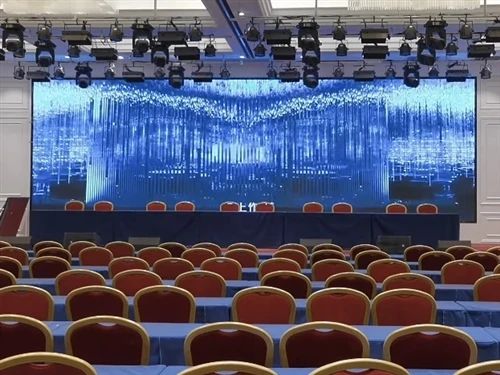
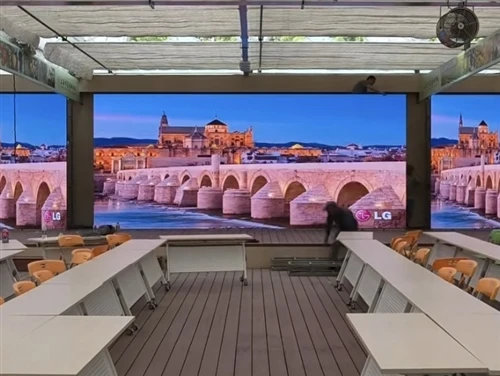
Compared to indoor LED displays, outdoor LED displays usually require higher brightness to ensure clear images because outdoor screens operate in complex environments such as sunlight, rain, and wind. At the same time, strong sunlight heats the screen enclosure, so outdoor screens are usually equipped with more complex cooling systems, such as built-in fans.