Outdoor LED Display Screens: Definition, Applications, Advantages, and Engineering Solutions
Technical Definition – What Are Outdoor LED Display Screens?
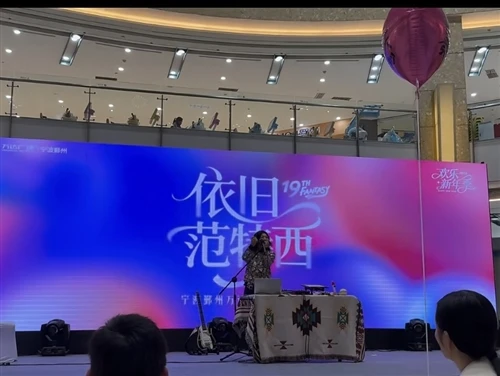
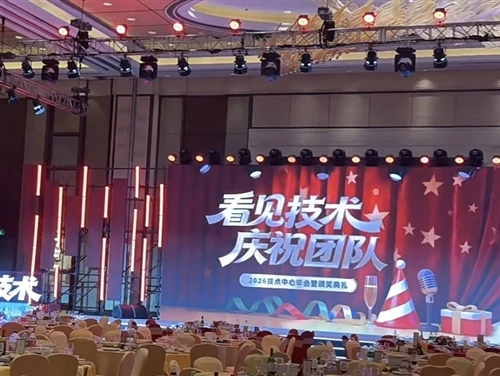
Outdoor led display screens are high-brightness digital signage systems specifically engineered for exterior environments. Unlike indoor displays, these screens feature weather-sealed enclosures (typically IP65 or IP66), high luminance output (5,000–10,000 nits), and robust thermal management systems to withstand temperatures ranging from -30°C to +60°C.
Term – Nits: A unit of luminance measuring screen brightness. One nit equals one candela per square meter. A typical outdoor led display screen requires 5,000+ nits to remain readable in direct sunlight, compared to 300–500 nits for a home television.
Term – IP Rating (Ingress Protection): A two-digit code indicating protection against solids (first digit) and liquids (second digit). IP65 means dust-tight and protected against water jets. IP66 withstands powerful water jets. IP67 allows temporary immersion. For weatherproof outdoor led display screens, IP65 is the minimum standard.
Key architectural differences from indoor displays:
| Feature | Outdoor LED Display | Indoor LED Display |
|---|---|---|
| Brightness | 5,000–10,000 nits | 800–1,500 nits |
| IP Rating | IP65–IP67 | IP20–IP54 |
| Operating temperature | -30°C to +60°C | 0°C to +40°C |
| Cabinet construction | Sealed with gaskets | Vented or open |
| Cooling system | Active fans + passive fins | Passive or minimal |
| UV protection | Anti-UV coating on face | Not required |
Real-World Scenarios – Where Outdoor LED Display Screens Shine
Highway Digital Billboards
Along interstate highways, large outdoor led display screens rotate advertisements every 6–8 seconds. A single highway led display screen can reach 100,000+ vehicles daily. The critical requirement: readability at 200+ feet and in all weather conditions. A P10 (10mm pitch) outdoor led display screen provides optimal viewing from highway distances while controlling cost.
Sports Stadium Scoreboards
Professional stadiums use stadium led display screens for instant replays, statistics, and sponsor messaging. The largest systems exceed 10,000 square feet. These ultra-bright outdoor led display screens must overcome direct sunlight on afternoon games while maintaining 120fps refresh for slow-motion replays.
Retail Storefront Window Displays
Brick-and-mortar retailers increasingly install storefront led display screens behind glass windows. These transparent outdoor led display screen variants allow passersby to see both the display content and the products inside. Brightness remains critical – a 6,000-nit screen behind glass loses approximately 20–30% luminance due to reflection, effectively appearing as 4,200–4,800 nits to viewers.
Transportation Hub Information Boards
Airports, train stations, and bus terminals deploy transit information led display screens showing real-time schedules, gate changes, and emergency alerts. These screens operate 24/7/365, requiring redundant power supplies and remote monitoring capabilities.
Key Advantages of Outdoor LED Display Screens
Sunlight readability: With 5,000+ nits output, content remains visible even under bright noon sun. By comparison, LCD screens washed out at 1,500 nits become unreadable.
Weather resilience: Sealed cabinets prevent rain, dust, and snow infiltration. Anti-condensation heaters prevent internal moisture buildup in cold climates.
Extended lifespan: Quality durable outdoor led display screens achieve 100,000 hours to 70% brightness (L70 rating) – over 11 years of continuous operation.
Modular serviceability: Failed modules can be replaced from the front or rear without dismantling the entire structure. A typical module swap takes 5–10 minutes.
Dynamic content: Unlike static billboards, digital outdoor led display screens allow instant content updates, time-of-day scheduling, and emergency messaging.
Higher revenue potential: Programmatic advertising platforms can rotate ads by hour, weather, or traffic conditions – commanding premium rates.
Professional Solutions for Common Outdoor LED Display Challenges
Challenge 1 – Overheating in Summer Sun
Problem: Black cabinets absorb solar radiation. Internal temperatures can reach 70°C (158°F) on a 40°C day – well above the 50–60°C maximum for LED longevity. High temperatures accelerate lumen depreciation, potentially halving lifespan.
Solution – Multi-layer thermal management:
Passive cooling: Aluminum fins on the rear of each cabinet dissipate heat via natural convection.
Active cooling: Thermostatically controlled fans activate at 45°C, drawing hot air out and cool air in.
Solar shielding: Light-colored or white rear cabinets reflect rather than absorb sunlight.
Temperature monitoring: Built-in sensors reduce brightness automatically if internal temps exceed 65°C, protecting LEDs from thermal damage.
Real case: A Las Vegas casino installed high-brightness outdoor led display screens on a south-facing facade. Initial summer temperatures reached 72°C, causing 15% brightness degradation within six months. The solution: install sunshades (perforated aluminum panels that block direct sun on the cabinet backs) and upgrade fans to higher-flow models. After the retrofit, internal temperatures stayed below 50°C, and brightness stabilized.
Challenge 2 – Water Ingress and Condensation
Problem: Even IP65-rated screens can fail if installed incorrectly. Common entry points: cable glands (not tightened enough), gaskets (pinched during installation), and ventilation ports (clogged with dust).
Solution – Installation best practices:
Use IP68-rated cable glands with silicone seals – they cost $2–3 more but prevent 90% of water failures.
Apply dielectric grease to all connectors before mating – this prevents corrosion.
Install drainage holes at the lowest point of each cabinet (covered with Gore-Tex vents that allow moisture out but prevent water entry).
For coastal installations, specify marine-grade aluminum or stainless steel frames to resist salt spray corrosion.
Real case: A beachfront hotel in Miami installed waterproof outdoor led display screens with IP65 rating. Despite the rating, two screens failed after eight months. Inspection revealed salt-laden mist had entered through the ventilation ports (designed for heat escape but not salt filtration). The solution: replace standard vents with Gore-Tex vents that block salt particles while allowing airflow. Replacement screens have operated for 30+ months without failure.
Challenge 3 – Color Degradation Over Time
Problem: Red LEDs degrade faster than green and blue at high current levels. After 40,000–50,000 hours of high-brightness operation, white balance shifts toward blue-green, making colors look unnatural. Brand logos may no longer match corporate standards.
Solution – Active color management:
Derating: Reduce current to red LEDs by 10–15% at installation, matching their lifespan to green and blue.
Calibration scheduling: Professional maintenance for outdoor led display screens includes color calibration every 12–18 months using a chroma meter.
Automatic compensation: Advanced receiving cards store per-LED correction data and adjust output as LEDs age – maintaining consistent color over the display's lifetime.
Real case: A Times Square billboard operator noticed color shift after 3 years of 24/7 operation – whites had become visibly cyan. A calibration team measured each panel and uploaded new correction data. The result: whites returned to 6500K, and the operator now schedules calibration every 18 months, maintaining premium advertising rates.
Challenge 4 – Vandalism and Impact Damage
Problem: Ground-level outdoor led display screens are vulnerable to vandalism, accidental impact (shopping carts, vehicles), and flying debris. Replacing damaged modules costs time and money.
Solution – Protective measures:
Polycarbonate face shields: 3–6mm thick transparent polycarbonate panels mounted 10–20mm in front of the LED face. Polycarbonate is 250x stronger than glass and shatterproof.
Elevated mounting: Mount displays at least 8 feet above ground level where practical.
Recessed installation: Build the display into a structural alcove, protecting edges and corners.
Spare parts inventory: Stock 5–10% replacement modules to minimize downtime after damage.
Real case: A downtown shopping mall installed a ground-level interactive outdoor led display screen for wayfinding. Within three months, the screen suffered two impacts from shopping carts and one graffiti incident. The mall installed a 4mm polycarbonate shield – since then, zero damage in 18 months. The shield reduces brightness by only 3–5%, an acceptable trade-off.
Real Case Study: 30-Story Digital Billboard – Los Angeles
Background: A commercial building in downtown Los Angeles (adjacent to a major highway) installed a large outdoor led display screen covering the entire south facade – 100 feet wide by 40 feet tall (4,000 sq ft). The goal: generate advertising revenue while maintaining building aesthetics during off-hours.
Technical requirements:
Readable from 500 feet at highway speed (approximately 60 mph)
24/7 operation with automated dimming (bright day, moderate night)
10-year lifespan with minimal maintenance
Remote content management (ads rotate every 30 seconds)
Selected solution:
Pixel pitch: P8 (8mm) – optimal for 200–500 foot viewing distance
Brightness: 7,500 nits daytime, automatically dims to 500 nits at night
Cabinets: 1,000 × 500mm die-cast aluminum, IP66 rated
Cooling: Rear-mounted fans (16 total) with temperature sensors
Power: 480V three-phase, 45,000 watts maximum draw
Content system: Cloud-based CMS with programmatic ad integration
Installation timeline:
Structural engineering: 3 months (wind load calculations, building permits)
Cabinet pre-assembly: 2 months (factory testing)
On-site installation: 4 weeks (crane lift, building integration)
Calibration and testing: 1 week
Results after 24 months:
Revenue: $18,000/month average (peak months $28,000)
Annual revenue: $216,000 (96% occupancy rate)
Total investment: $800,000 (hardware, installation, permits)
Projected ROI: 3.7 years
Maintenance cost: $4,200/year (annual cleaning and fan replacement)
Unplanned downtime: 4 hours total (one lightning strike, repaired within 12 hours)
Lessons learned:
Night dimming is essential: Without automated dimming, the display was too bright for neighboring residential buildings. City ordinance requires brightness below 200 nits between 10 PM and 6 AM.
Content variety matters: Static ads perform worse than animated content. The operator now uses 5-second motion clips for each ad, commanding 30% higher rates.
Spare parts on-site: The lightning strike damaged 8 cabinets. Because the owner had stocked spares, the display was fully operational the next day. Replacement cabinets cost $12,000 – a fraction of the lost revenue if the display had been dark for weeks.
Weather monitoring: Los Angeles experiences Santa Ana winds (60–80 mph). The wind sensor automatically lowers the display (reducing wind load) when gusts exceed 50 mph – a safety feature required by the building department.
FAQ
Q1: How much does an outdoor LED display screen cost per square foot?
A: Pricing varies by pixel pitch and features: (1) P10–P16 (low resolution, long viewing distance): $300–600 per sq ft; (2) P6–P8 (mid-range, 100–300ft viewing): $600–1,200 per sq ft; (3) P3–P5 (high resolution, close viewing): $1,200–2,500+ per sq ft. These prices include cabinets, modules, power supplies, and receiving cards – but exclude structural steel, installation, wiring, and permits. Budget 30–50% above hardware cost for full installation.
Q2: What is the typical power consumption of an outdoor LED display screen?
A: At full white brightness, outdoor displays consume 500–800 watts per square meter (50–75 watts per sq ft). However, average content (50% white, 50% darker imagery) consumes 250–400 W/m² (25–35 W/sq ft). A 1,000 sq ft display running 24/7 at average brightness consumes approximately 800–1,200 kWh per day – roughly $100–150 daily at $0.12/kWh. Night dimming to 20% brightness reduces consumption to 40–50% of daytime levels.
Q3: How long do outdoor LED display screens last?
A: LED lamps are rated for 100,000 hours to 70% brightness (L70). At 24/7 operation, 100,000 hours = 11.4 years. At 12 hours/day (typical for retail signs), the same LEDs last 22.8 years. However, power supplies typically fail at 50,000–70,000 hours (5–8 years of 24/7 use) – budget for replacement. Fans fail at 30,000–50,000 hours (3–5 years). The best strategy: buy 5–10% spare modules and power supplies at initial purchase, as they may be unavailable in 5+ years.
Q4: Can I use an indoor LED display screen outdoors?
A: Never. Indoor screens lack: (1) Weatherproof seals – rain will short-circuit electronics; (2) UV protection – sunlight degrades the face material, causing clouding; (3) Sufficient brightness – 1,500 nits is invisible in sunlight; (4) Thermal management – indoors assume 25°C ambient, outdoors can reach 60°C in cabinets. Using an indoor screen outdoors will void the warranty and likely fail within weeks.
Q5: What maintenance does an outdoor LED display screen require?
A: Regular maintenance includes: (1) Quarterly cleaning – remove dust, bird droppings, and dirt from the face using a soft brush and low-pressure air (never high-pressure washers – they can force water past seals); (2) Annual calibration – use a colorimeter to check white balance and uniformity; (3) Semi-annual fan inspection – clean fans and verify they operate; (4) Annual gasket inspection – check cabinet seals for cracking or hardening (replace every 3–5 years); (5) Module replacement – swap out failed modules as detected. A comprehensive maintenance contract typically costs 2–5% of the display's initial value per year.