Looking for a commercial LED display LED screen? Discover key technology types, primary applications, and essential factors to consider before investing.
Introduction
Selecting the right digital signage for a business environment can be a challenging process due to the complex technical specifications involved. A high-quality led display led screen serves as a powerful tool for visual communication, helping brands attract foot traffic and deliver clear messages. Understanding the fundamental technology and key deployment strategies is essential to making an informed investment that aligns with your commercial goals.
What is an LED Display LED Screen?
An led display led screen is a flat panel display that uses an array of light-emitting diodes (LEDs) as pixels to create video and image displays. Unlike traditional LCD panels that use a backlighting layer behind a liquid crystal substrate, LED screens emit light directly from the pixels themselves, offering distinct performance traits.
Core Components and Technology
To understand how these systems operate, it is helpful to look at the primary underlying technologies:
Pixel Pitch: This refers to the distance from the center of one pixel to the center of the adjacent pixel, usually measured in millimeters (mm). A smaller pixel pitch indicates higher pixel density and closer comfortable viewing distances.
SMD (Surface Mount Device): A common manufacturing technology where red, green, and blue diodes are encapsulated into a single package mounted on the circuit board.
COB (Chip on Board): A newer packaging technology where multiple bare LED chips are mounted directly onto the substrate, improving durability and contrast ratios.
Common Commercial Application Scenes
Commercial environments utilize these digital displays in diverse ways depending on their layout, ambient lighting, and target audience behavior.
Retail and Shopping Centers
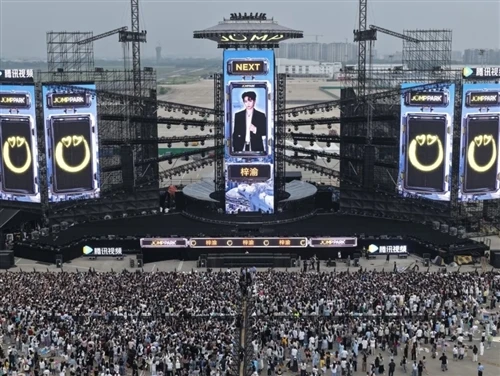
In retail settings, vibrant visuals are crucial for drawing in customers and showcasing promotional campaigns. Large screens are frequently installed in store windows or behind cash wraps to display high-definition brand videos and seasonal advertisements.
Corporate Offices and Boardrooms
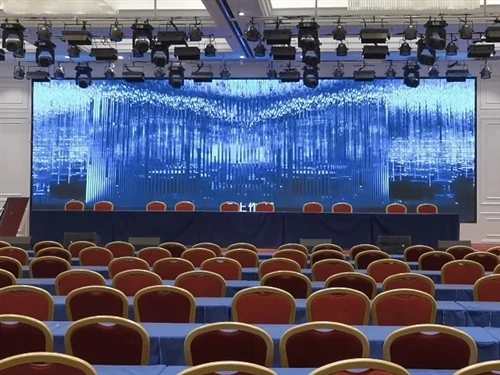
Modern corporate environments rely on seamless visual displays for presentations, video conferencing, and internal branding. High-resolution indoor screens have increasingly replaced traditional projectors because they maintain clarity even in brightly lit conference rooms.
Control Rooms and Command Centers
Control rooms require continuous operation and precise data visualization. Fine-pixel-pitch displays allow operators to monitor multiple high-resolution data feeds, maps, and security camera footage simultaneously without losing critical details.
Key Considerations for Choosing a Screen
Investing in an led display led screen requires evaluating several technical and environmental factors to ensure long-term reliability and performance.
| Factor | Description | Key Considerations |
| Environment | Indoor vs. Outdoor placement | Indoor focuses on resolution; Outdoor requires weatherproof ratings. |
| Brightness | Measured in nits (a unit of visible-light intensity) | Outdoor screens require significantly higher nits to combat direct sunlight. |
| Ingress Protection | IP Rating (a standard defining sealing effectiveness) | Look for higher ratings like IP65 for outdoor dust and water resistance. |
| Refresh Rate | Measured in Hertz (Hz, the number of times an image updates per second) | High refresh rates prevent flickering when captured on camera. |
Viewing Distance and Resolution
Matching the pixel pitch to the expected viewing distance is critical for visual clarity. Generally, a simple industry rule of thumb suggests that a 2mm pixel pitch is ideal for viewers standing approximately 2 meters away. If the pixel pitch is too large for the space, viewers will notice individual pixels; if it is too small, you may pay for resolution that the human eye cannot fully appreciate from a distance.
Installation and Maintenance Access
Depending on the architectural constraints of your building, you must choose between front-access and rear-access maintenance structures. Front-access cabinets are typically preferred for wall-mounted installations where space behind the screen is restricted. Rear-access configurations are standard for freestanding billboards or environments where technicians can easily access the back of the display.
Advantages of LED Technology Over Traditional Displays
When compared to legacy display options like lamp-based projectors or standard LCD video walls, modern LED screens offer several distinct operational benefits for commercial properties.
Seamless Modular Design
Traditional LCD video walls feature bezels (the outer frame or edge of a display panel) that create visible black lines across a large image. LED panels are modular, meaning they can be tiled together seamlessly to create a single, continuous display of virtually any size or aspect ratio without distracting grid lines.
Superior Brightness and Contrast
Commercial spaces often suffer from heavy ambient light or direct sunlight through glass facades. LED screens can achieve much higher brightness levels than standard consumer televisions or projectors, ensuring that content remains highly visible and legible throughout the day.
Summary and Recommendations
Choosing the right led display led screen involves balancing your physical environment, viewing distances, and structural installation options. For indoor retail or corporate use, prioritizing a fine pixel pitch and front-access maintenance often yields the best results. For outdoor installations, focusing on high brightness and robust IP ratings is essential to withstand environmental elements. Consulting with an experienced technician to evaluate your specific space is always recommended before finalizing hardware specifications.
4. FAQs (Frequently Asked Questions)
Q: What is the difference between indoor and outdoor LED screens?
A: Indoor screens focus on high resolution and close-up viewing, utilizing smaller pixel pitches and lower brightness levels suitable for controlled lighting. Outdoor screens feature higher brightness to compete with sunlight, larger pixel pitches for distant viewing, and weatherproofing to protect components from moisture and dust.
Q: How long does a commercial LED screen typically last?
A: In most standard operating conditions, a commercial-grade screen has a theoretical lifespan of approximately 100,000 hours before the diodes drop to half of their original brightness. Actual longevity depends on usage habits, environmental temperature, and regular maintenance.
Q: What does an IP65 rating mean for an LED display?
A: An IP65 rating signifies the screen's Ingress Protection level. The first digit (6) means the enclosure is completely dust-tight, and the second digit (5) indicates protection against water jets from any direction, making it highly suitable for outdoor use.
Q: Can an LED display screen be customized into non-standard shapes?
A: Yes, because LED screens are built using smaller modular panels, they can be configured into various shapes, including curved, right-angled, or cylindrical layouts, depending on the specific architectural requirements of a commercial space.