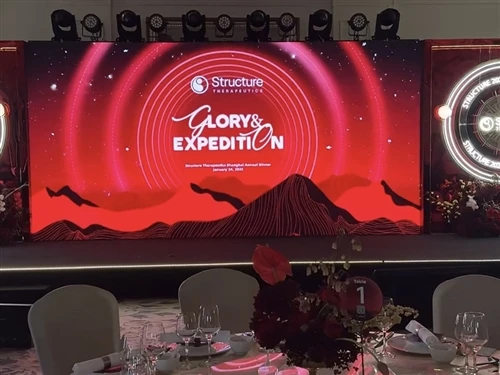
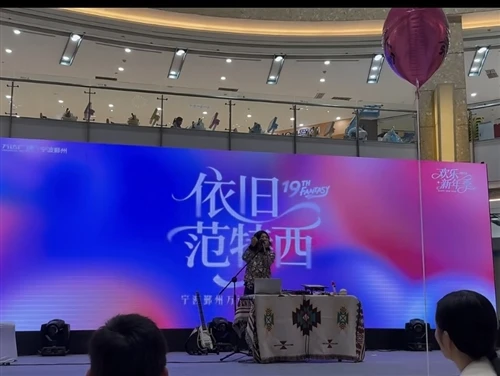
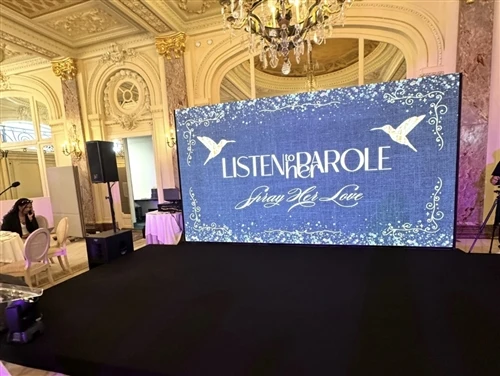
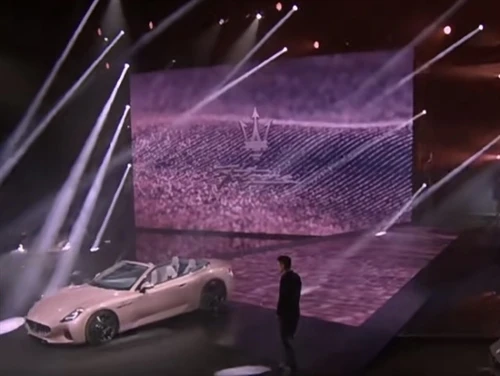
Small-pitch LED displays, as a high-resolution, high-brightness display technology, are widely used in indoor and outdoor settings.
Advantages:
1. Seamless Splicing
Small-pitch LED displays achieve true seamless splicing through precise design, solving the physical bezel problem of traditional splicing screens (such as LCD or DLP), resulting in a more complete image.
2. High Brightness and Wide Viewing Angle
They provide high brightness output, suitable for various lighting environments, maintaining good viewing quality in both bright and dim light. They also have a wide viewing angle, ensuring consistent image quality from different angles.
3. High Refresh Rate and Gray Scale Levels
They support high refresh rates and high gray scale levels, ensuring delicate image performance even at low brightness, with more realistic color reproduction and richer details.
4. Flexible Customization
Small-pitch LED screens can be cut into irregular shapes and designed with special configurations according to customer needs, adapting to different installation environments and application scenarios.
5. Long Lifespan and Stability
LED lamp beads have a long service life, and the screen operates stably overall, resulting in lower maintenance costs.
6. Natural Color Reproduction
Using point-by-point calibration technology, it can accurately reproduce the true colors of the image, avoiding color deviations that may occur with other display technologies.
7. Supports Multiple Signal Inputs
It can easily connect to various signal sources (such as computers, cameras, etc.) and supports complex signal processing and control systems, suitable for high-end conference rooms, monitoring centers, and other scenarios.
8. Energy Saving and Environmental Protection
Modern small-pitch LED screens use high-efficiency chips and optimized circuit designs, resulting in lower power consumption and better heat dissipation.
Disadvantages:
1. Higher Price
LED displays with smaller pixel pitch and higher resolution require more sophisticated manufacturing processes, leading to relatively higher prices. This is a barrier for users with limited budgets.
2. High Maintenance Costs
Due to the high pixel density and thinness of indoor small-pitch LED screens, they are susceptible to dust and require regular cleaning and maintenance. Furthermore, localized failures can cause the entire screen to malfunction, making repairs complex and costly.
3. Higher Power Consumption
Although modern products have significantly reduced power consumption, large-sized LED screens still consume considerable energy during long periods of operation, increasing long-term operating costs. 4. Heat Dissipation Issues
The high density of LED chips leads to concentrated heat, and poor heat dissipation design can affect screen lifespan and display performance.
5. Installation Complexity
Small-pitch LED screens require a high level of precision in installation and a specific installation environment, necessitating a professional team, which increases installation difficulty and time costs.
6. High Initial Investment
Compared to LCD screens, small-pitch LED screens have a higher initial purchase cost, making them unsuitable for all types of customers.
Summary
Small-pitch LED screens, with their superior image quality, flexibility, and stability, have become the mainstream choice in the high-end display market, especially suitable for corporate meeting rooms, command centers, and exhibitions. However, their high price and maintenance costs may limit adoption by some users.